If you read nothing else
- La Garganta del Diablo is a set of waterfalls located not far from the village of Maragua, on crater routes walked from Sucre.[1]
- The Maragua Crater is not volcanic. It was formed by thousands of years of erosion, and the village of Maragua sits at 3,100 metres above sea level.[1][2]
- The ride from Sucre to the Chataquila trailhead takes about 1.5 hours, and then the Inca trail of Chataquila runs downhill for 6 km.[3]
- The crater trek from Sucre runs 10 hours, from US$95, with pickup, a live guide in Spanish and English, and free cancellation up to 24 hours ahead.[4]
- May to October is ideal for Sucre and the trekking regions of the Bolivian Andes, and Sucre stays between 20°C and 23°C by day all year.[5][6]
- Top choice 1-Day Crater Trek from US$95 Duration10 hours[4]Rating4.76 from 100 reviews[4]GuideSpanish, English[4]CancellationCancel up to 24 hours ahead[4] Check availability
- 2-Day Inca Trails from US$125 Duration2 days[7]Rating4.95 from 12 reviews[7]GuideEnglish, Spanish[7]CancellationCancel up to 24 hours ahead[7] See this tour
- Sunrise & Caves from US$106 Duration10 hours[8]Rating4.66 from 16 reviews[8]GuideEnglish, Spanish[8]CancellationCancel up to 24 hours ahead[8] See this tour
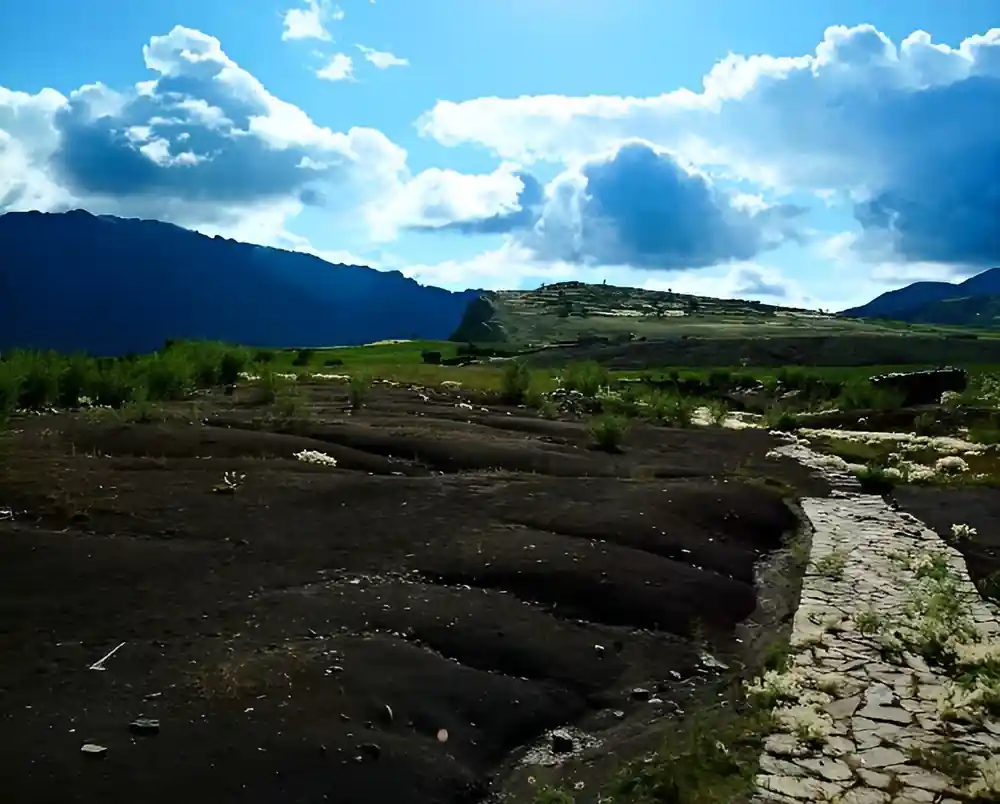
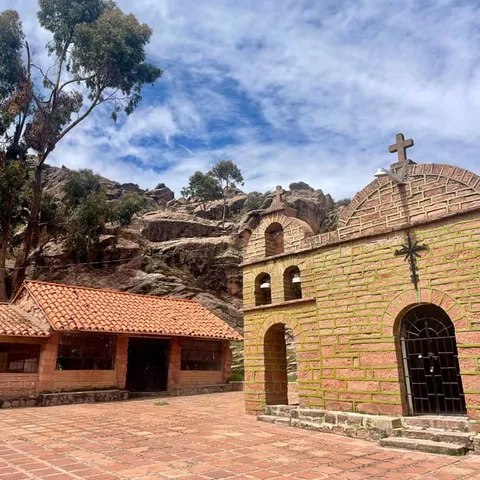
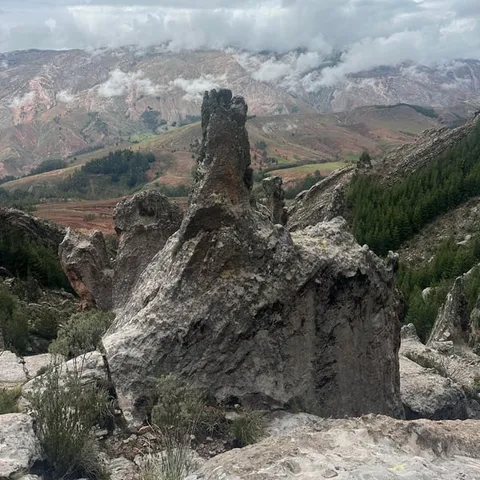
The Andes (La Paz, Sucre, Potosí) : May to October is ideal for visiting Bolivia’s high-altitude cities and trekking regions, with clear skies and mild conditions.
Is the crater and waterfall walk worth it?
Ahead of the trip
What the Garganta del Diablo actually is
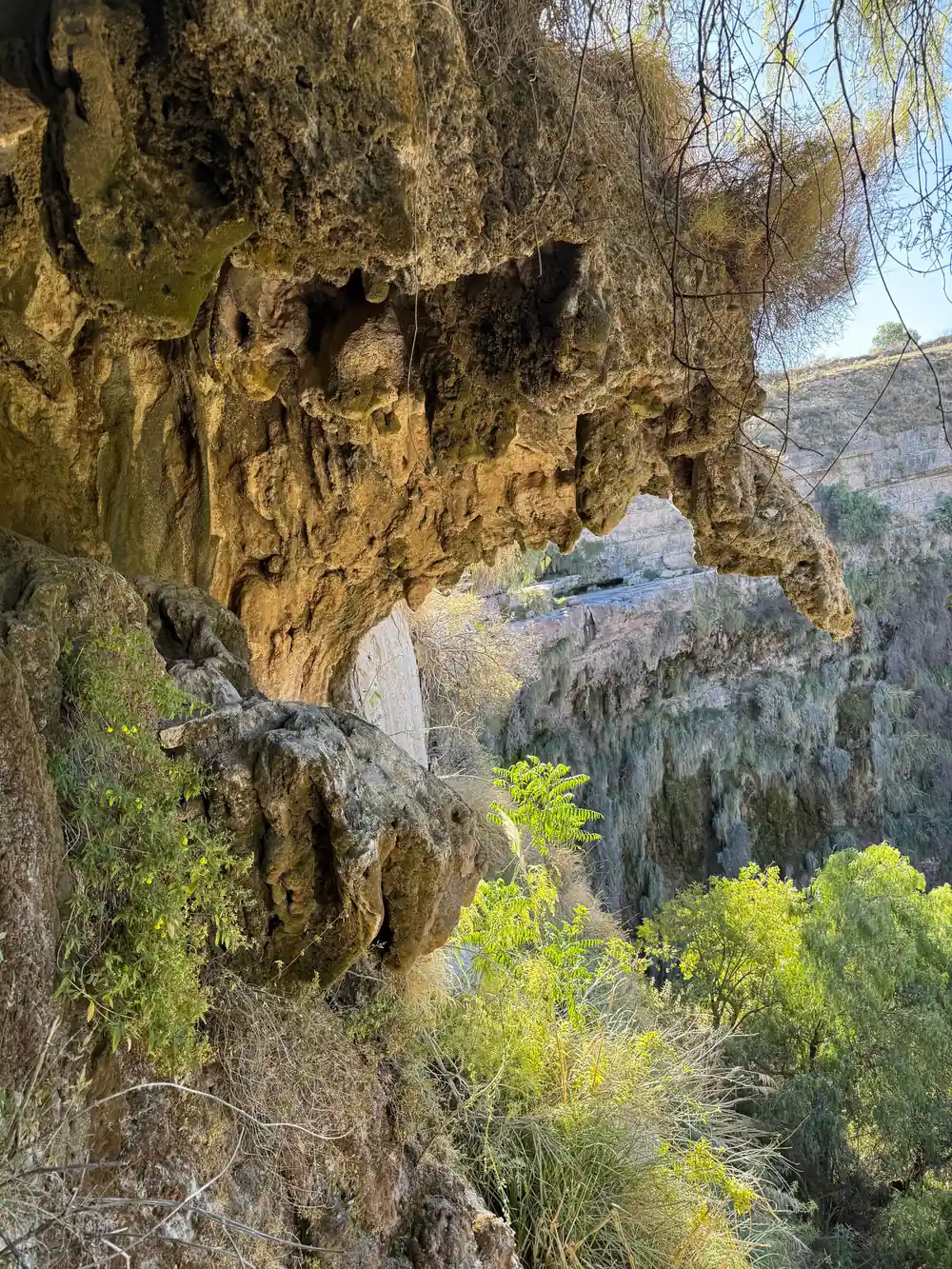
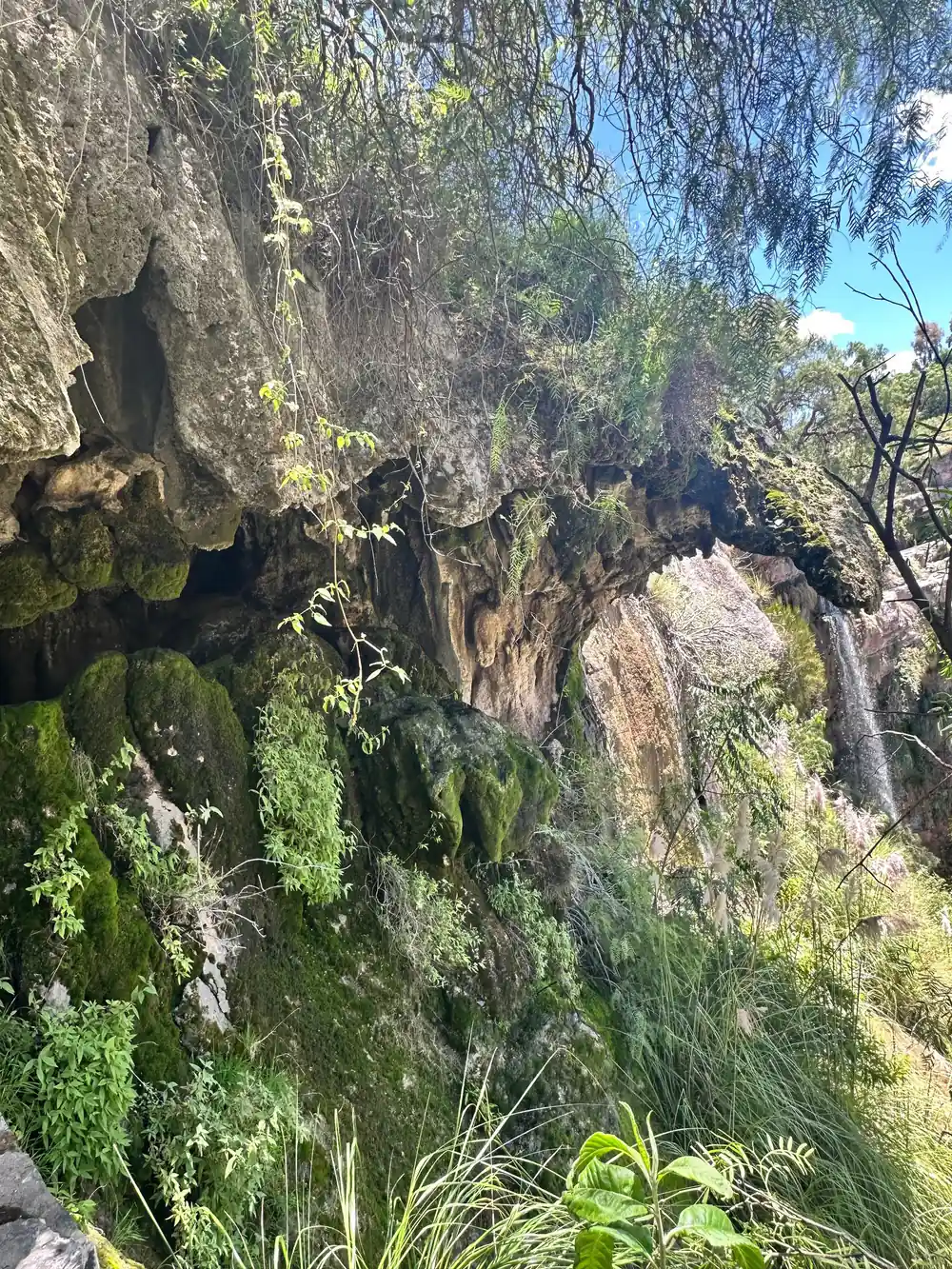
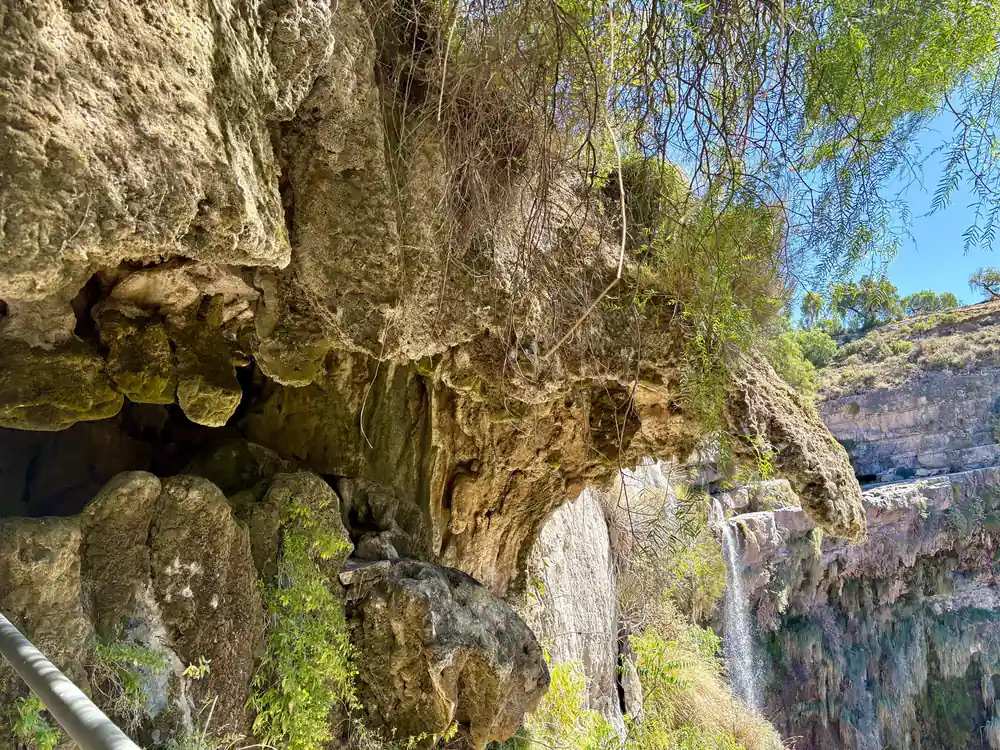
La Garganta del Diablo, the Devil's Throat, is a set of waterfalls rather than one grand curtain of water, and it sits not far from the village of Maragua in Bolivia.[1] It is a quiet, green sort of place: water sliding through a slot in the rock, moss on the wet walls, ferns, and a pocket of cold air that feels wonderful after a morning of walking in the sun. Walkers on the crater routes from Sucre either pass it or make the short detour to it.
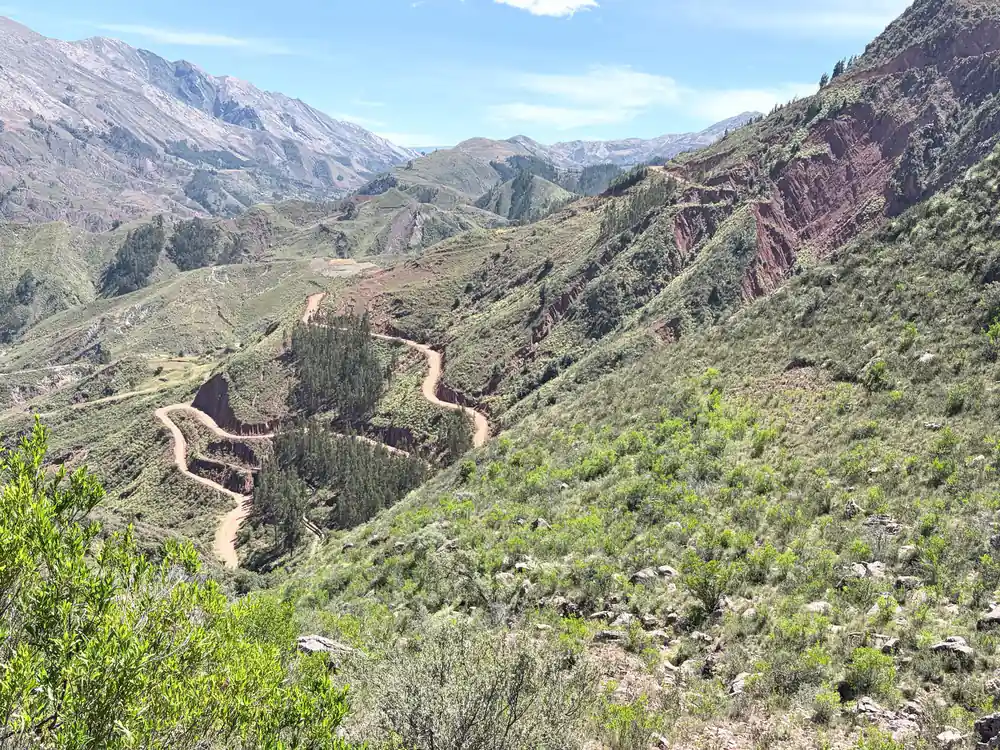
People often arrive expecting volcanic scenery, cones and black rock, and they are surprised. The Maragua Crater is not volcanic. It was formed by thousands of years of erosion.[1] The whole bowl, including the small gorge where the falls run, is the work of water and weather on layered rock over a very long time. Maragua village itself stands at 3,100 metres above sea level.[2] Up there the air feels thin and the light is sharp.
That combination, a dry crater floor at altitude and a damp green notch in the wall, is what makes the place memorable. Nothing about it is enormous or theatrical. It is a good walk with a good reward at the end, which is exactly what a day out from Sucre should be.
How water cuts through the tilted rock
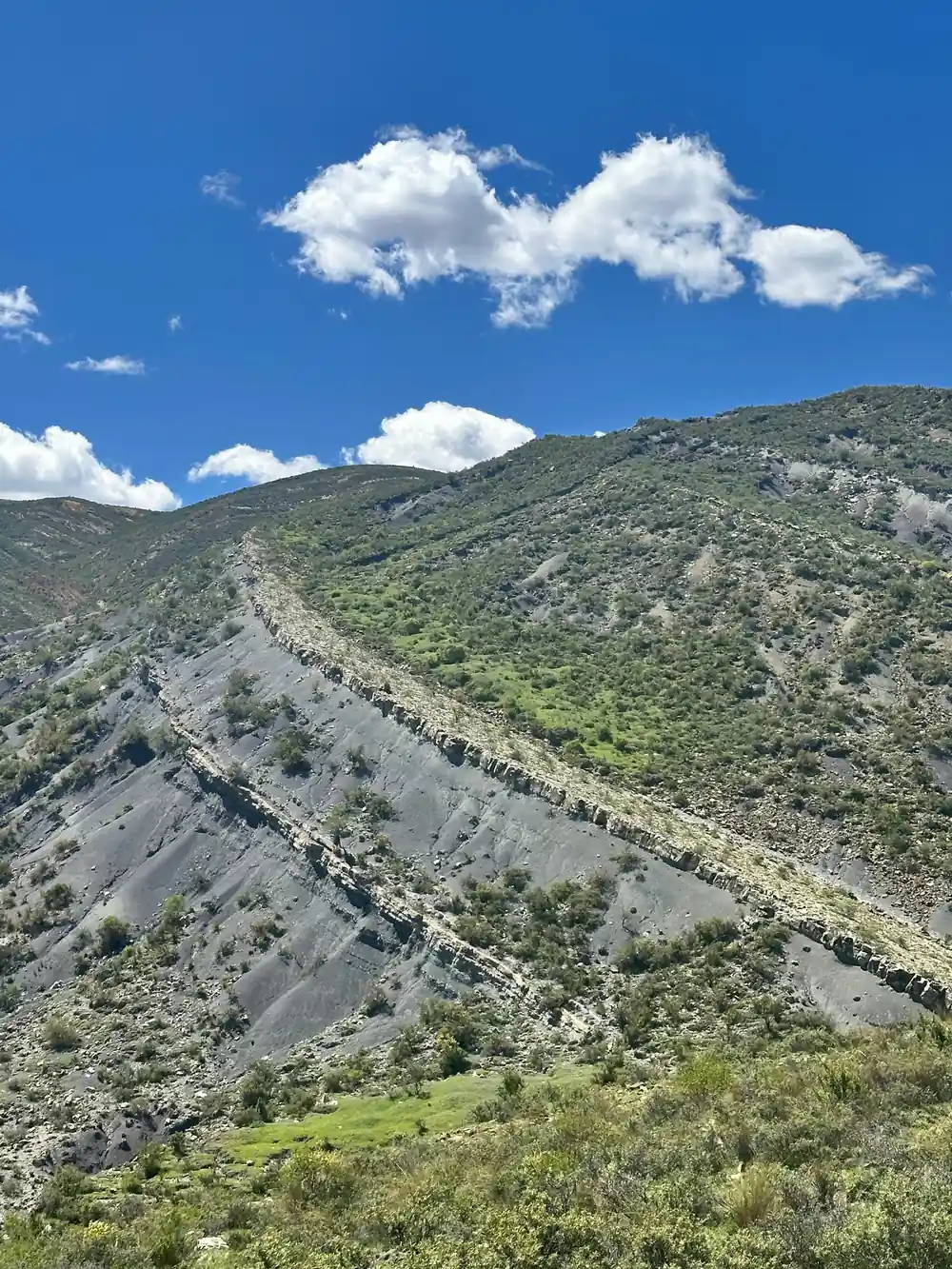
The falls are a lesson in patience. The rock around Maragua lies in beds that tilt across the landscape, laid down flat long ago and then lifted and angled by the slow movement of the earth. Water finds the weak lines between those beds, the joints and cracks and softer seams, and follows them down. Where a hard band sits above a softer one, the soft one wears away first and the hard one is left as a lip, and that is where you get a drop.
A slot like the Garganta del Diablo is what happens when that process runs for a long time in one place. The stream narrows its own channel, cuts down through the layers, and the walls stay steep because rock at the sides keeps collapsing and being carried off. In wetter spells the water is loud and brown and full of grit; in drier spells it is a thread of clear water over dark stone.
Nothing here happens quickly. The shapes you are standing in front of took far longer than the walk you did to reach them, and that is part of the pleasure of looking at them properly.
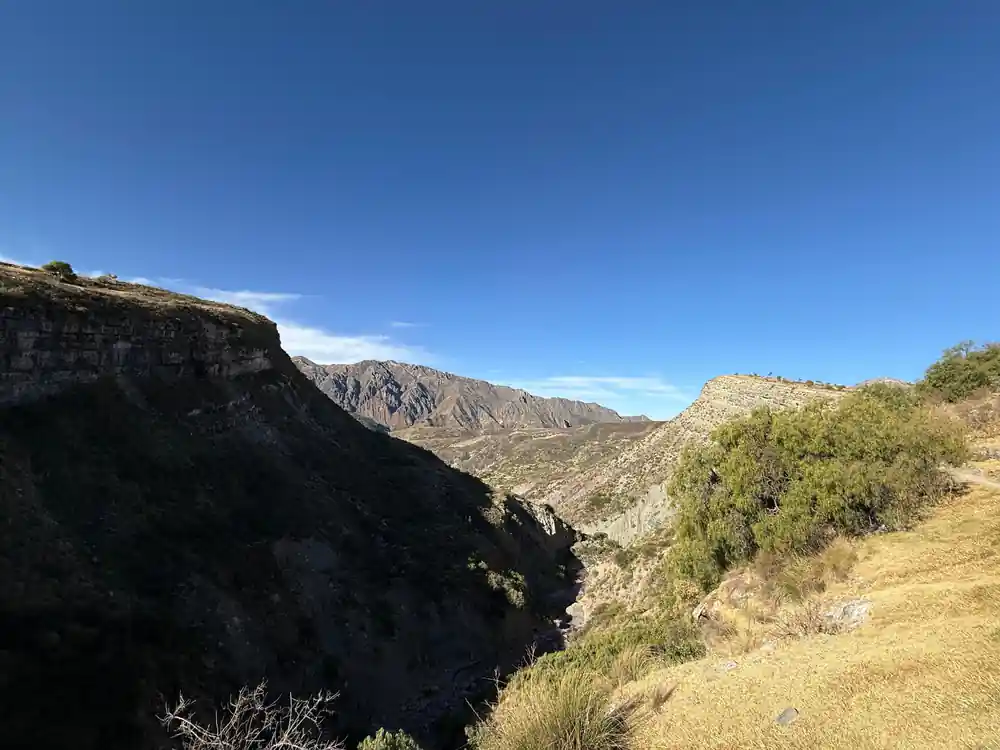
Wet rock and green terraces below the rim of the Maragua Crater
Reading the walls of the crater
Once you notice the layering, you cannot stop seeing it. Beds of rock run across the valley walls at an angle, some thick, some paper-thin, alternating pale grey, ochre and rust. The darker bands tend to be the ones that resist water; the softer, paler ones crumble into slopes and gullies. Follow a single band with your eye and you can trace it from one side of the crater to the other.
Look closer and you can find structure inside the beds themselves: fine parallel lines, curved patterns where sand once moved in ripples, and grains that tell you this was laid down as loose sediment and later turned to stone. It is a landscape that rewards standing still for a few minutes rather than hurrying through.
A good place to read the walls is on the descent, where the path runs close to the rock and the angle is clear. Take it slowly, look up, and let the layers show you how the valley was built.
What the rock of Maragua is made of
This is sedimentary country. The sequence around the crater is mostly sandstone, siltstone and mudstone, with occasional harder bands, all of it continental material washed and blown into place, then buried, compacted and tilted. The colours come from iron: oxidised layers turn red, orange and ochre, while layers starved of oxygen stay grey or greenish.
That matters for the falls. Water behaves differently on sandstone than on lava or granite, and here it dissolves the cement between grains, loosens the softer beds and undercuts the harder ones. The Maragua Crater is not volcanic, and it was formed by thousands of years of erosion.[1] The Garganta del Diablo is simply the sharpest expression of that process in the crater.
from US$95
The 1-day trek into the Maragua Crater runs 10 hours, with pickup in Sucre and a live guide in Spanish and English.[4]
Walking to the falls from Maragua
The usual approach starts with a drive. The ride from Sucre to the Chataquila trailhead, the starting point of the Maragua Crater hike, takes about 1.5 hours.[3] From the chapel at the trailhead the route drops away along a pre-Hispanic camino, also known as the Inca trail of Chataquila, and follows it downhill for 6 km.[3] It is stone underfoot, worn smooth in places, with the valley opening below you the whole way.
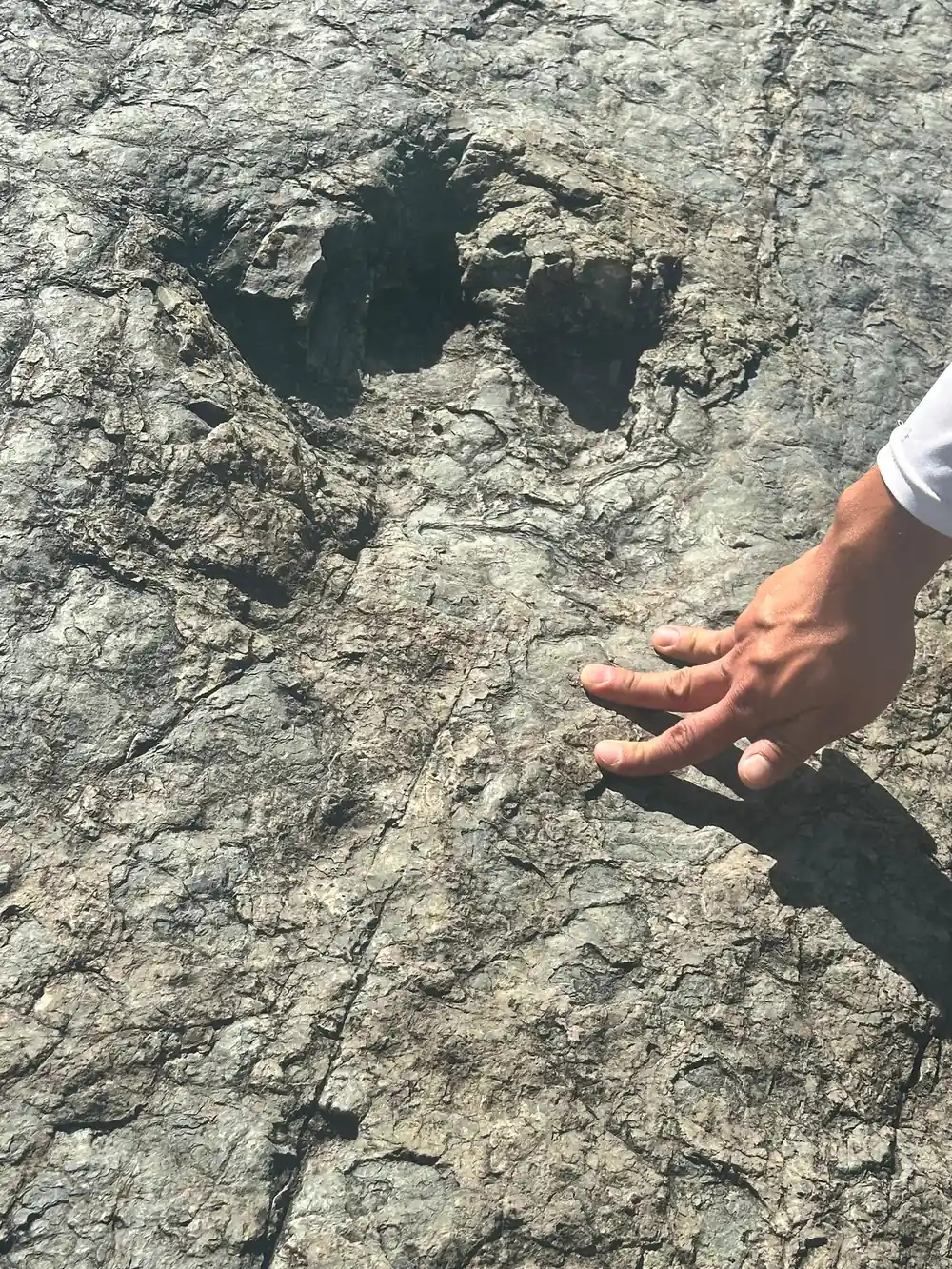
Maragua village sits at 3,100 metres above sea level.[2] From there the falls are a short walk, and the crater floor opens out in green terraces and dark rock. On the way down, the route passes Niñu Mayu, where around 100 dinosaur footprints can be found.[3] Pale and startlingly clear, they are a strange companion to the geology of the walls above.
If you would rather not organise the drive and the trailhead yourself, the crater trek from Sucre runs for 10 hours and starts from US$95, with pickup included and a live guide in Spanish and English.[4] You can reserve now and pay later, and free cancellation applies if you cancel up to 24 hours in advance for a full refund.[4]
Photographing the Garganta del Diablo
Falls in a slot are difficult light. The rim is bright, the gorge is dark, and the contrast is brutal in the middle of the day. If you can, come when the sun is lower or when cloud softens the scene, and expose for the water rather than the sky. A wide lens lets you include the walls that make the place, not just the stream.
Spray is the other problem. Keep a cloth handy, wipe the front element often, and be careful changing lenses where dust blows. Beyond the falls, the tilted beds across the crater and the green terraces below the rim are the images people carry home, and both look better with a person in the frame for scale.
Whatever you shoot, check your settings before the light goes. Cloud moves across the crater quickly, and a minute of preparation saves a lot of guessing later.
What else is nearby on the same day
The crater day out combines easily with other sights. Maragua's own paths, the dinosaur footprints at Niñu Mayu and the old rock walls along the trail all sit on the same route. Back in Sucre, the ASUR museum and its Indigenous Art Revival Program, initiated by ASUR in 1985, are a good counterpoint to the geology, with textiles from the Jalq'a and Tarabuco communities.[9]
Sucre sits at around 2,810 metres above sea level, with daytime highs between 20°C and 23°C all year, so the city itself feels gentle and the crater is where you notice the altitude.[6] May to October is ideal for visiting Sucre and other high-altitude cities and trekking regions in the Bolivian Andes.[5] Outside those months the walking is still possible, though the ground is wetter and the views less certain.
Traveller ratings for Maragua area tours
Ratings come from these GetYourGuide listings for Maragua and crater routes from Sucre.[4][7][8]
Crater and Inca trail tours from Sucre
Adult from prices in US dollars for these GetYourGuide listings.[4][7][8][10]
When to plan the walk
Walking to the falls
Start at Chataquila
The drive from Sucre to the Chataquila trailhead takes about 1.5 hours.[3]
Follow the Inca trail down
From Chataquila the route follows a pre-Hispanic camino, the Inca trail of Chataquila, downhill for 6 km to Chaunaca.[3]
Cross to Maragua
Maragua village stands at 3,100 metres above sea level, on the floor of the crater.[2]
Find the waterfalls
The Garganta del Diablo is a set of waterfalls located not far from the village of Maragua.[1]
Check the footprints
Around 100 dinosaur footprints can be found at Niñu Mayu on the walk down from Maragua.[3]
Walk the crater and the Devil's Throat on a day trip from Sucre
from US$95Reserve now & pay later