If you read nothing else
- A point to point walk from the Chataquila trailhead down the Inca camino to Chaunaca, then on to the Crater of Maragua.
- The Inca trail section descends for 6km from Chataquila, and the guided day trip from Sucre runs for 10 hours in total.[1][2]
- Maragua village is listed at 3,100 metres above sea level, and Sucre sits at around 2,810 metres.[3][4]
- May to October is the ideal window for Sucre and the trekking regions of the Bolivian Andes, and Sucre stays mild all year.[4][5]
- The 1-day trek in the Crater of Maragua and Inca Trails starts at US$95 with pickup included and free cancellation up to 24 hours before.[2]
- Top choice 1-Day Trek, Maragua Crater from US$95 Duration10 hours[2]Rating4.76 from 100 reviews[2]Guide languagesSpanish, English[2]CancellationFree up to 24 hours before[2] Check availability
- 2 Days: Inca Trails, Crater from US$125 Duration2 days[6]Rating4.95 from 12 reviews[6]Guide languagesEnglish, Spanish[6]CancellationFree up to 24 hours before[6] See this tour
- Sunrise, Crater, Cave Art from US$106 Duration10 hours[7]Rating4.66 from 16 reviews[7]Guide languagesEnglish, Spanish[7]CancellationFree up to 24 hours before[7] See this tour
The Andes (La Paz, Sucre, Potosí) : May to October is ideal for visiting Bolivia’s high-altitude cities and trekking regions, with clear skies and mild conditions.
Is the Maragua crater hike worth it?
Ahead of the trip
- Book ahead for the dry season, when popular dates fill quickly
- Spend a day or two in Sucre first so your body adjusts to the altitude
- Check that your travel insurance covers hiking at altitude
- Pack high-factor sunscreen and lip balm; the Andean sun is strong
On the day
- Pickup in Sucre, then a drive out to the trailhead above the valley
- Follow your guide down the stone camino and pace yourself on the steps
- Carry small notes for drinks, snacks and village stalls
- Bring a warm layer; mornings and evenings are cold at this height
What the Maragua Crater hike actually is
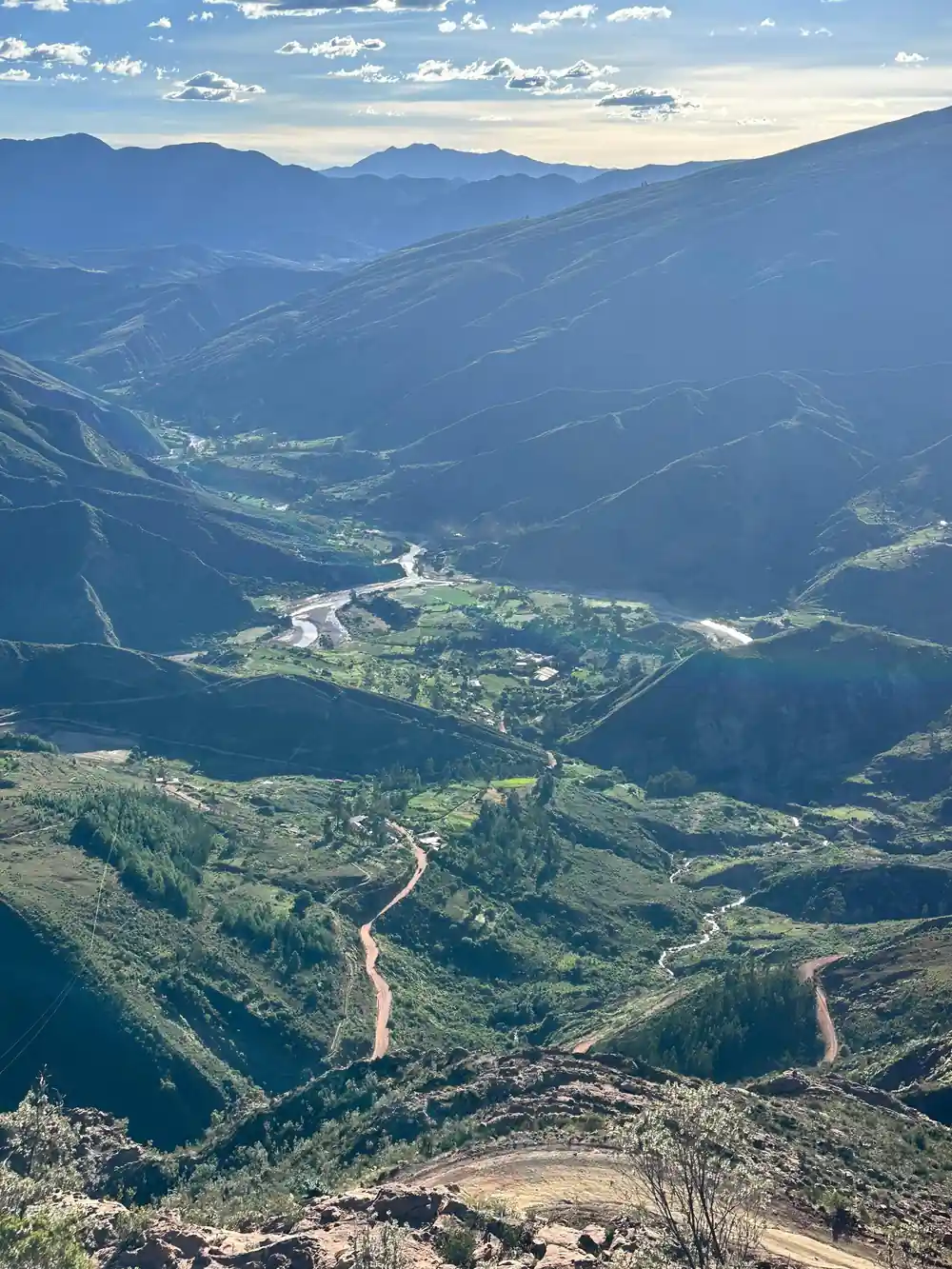
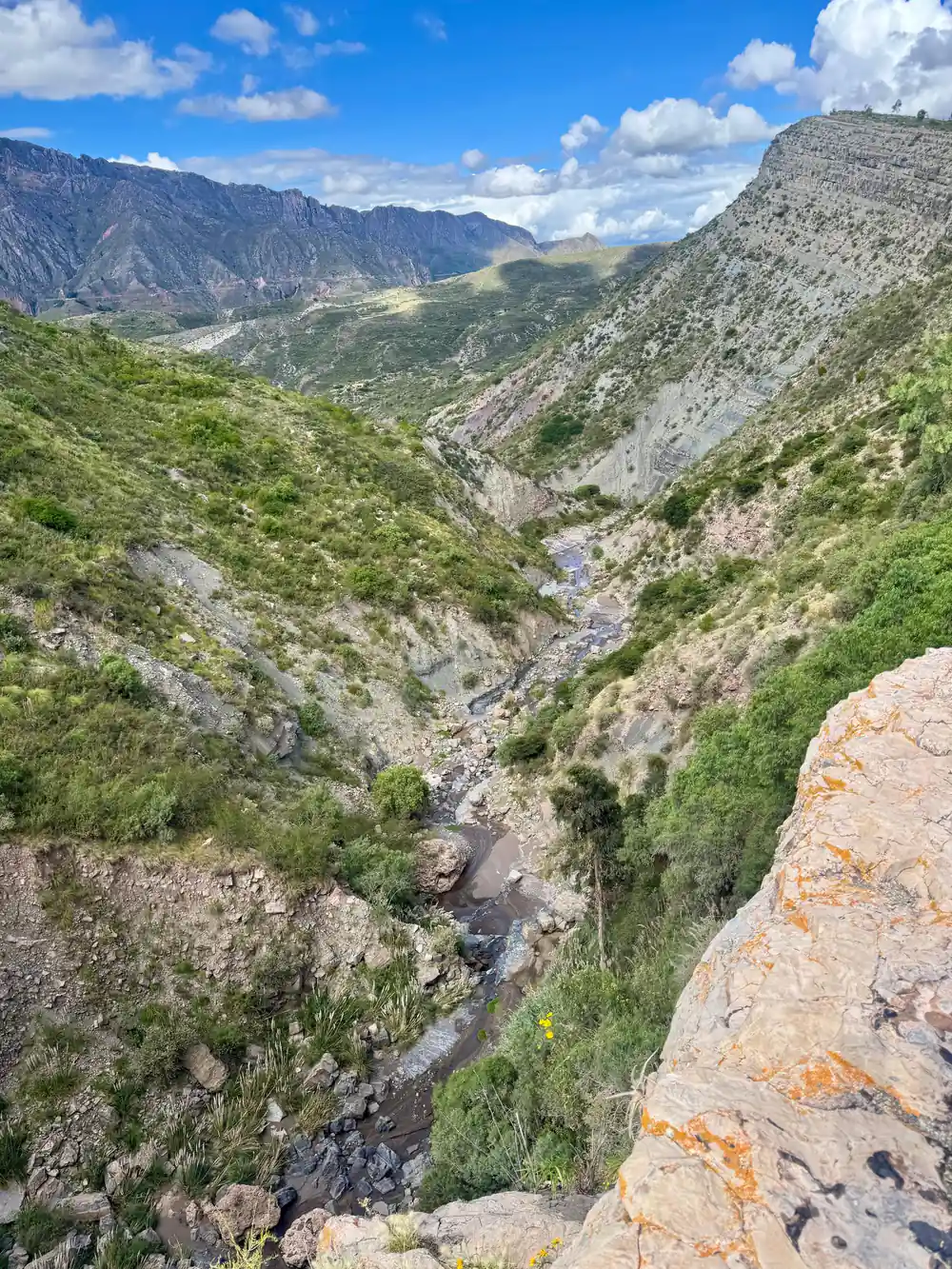
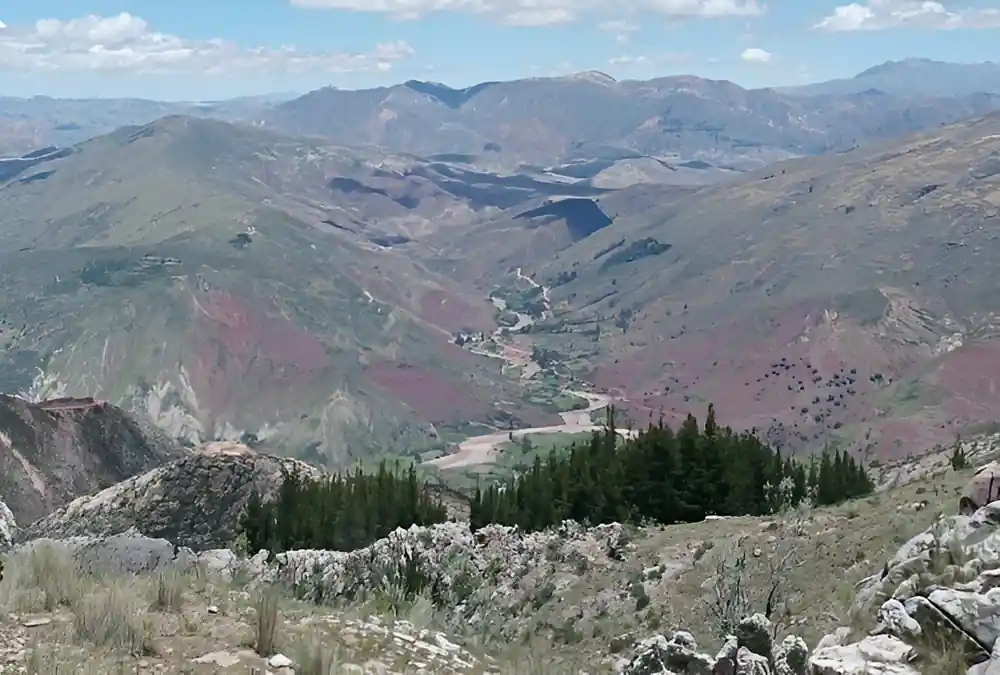
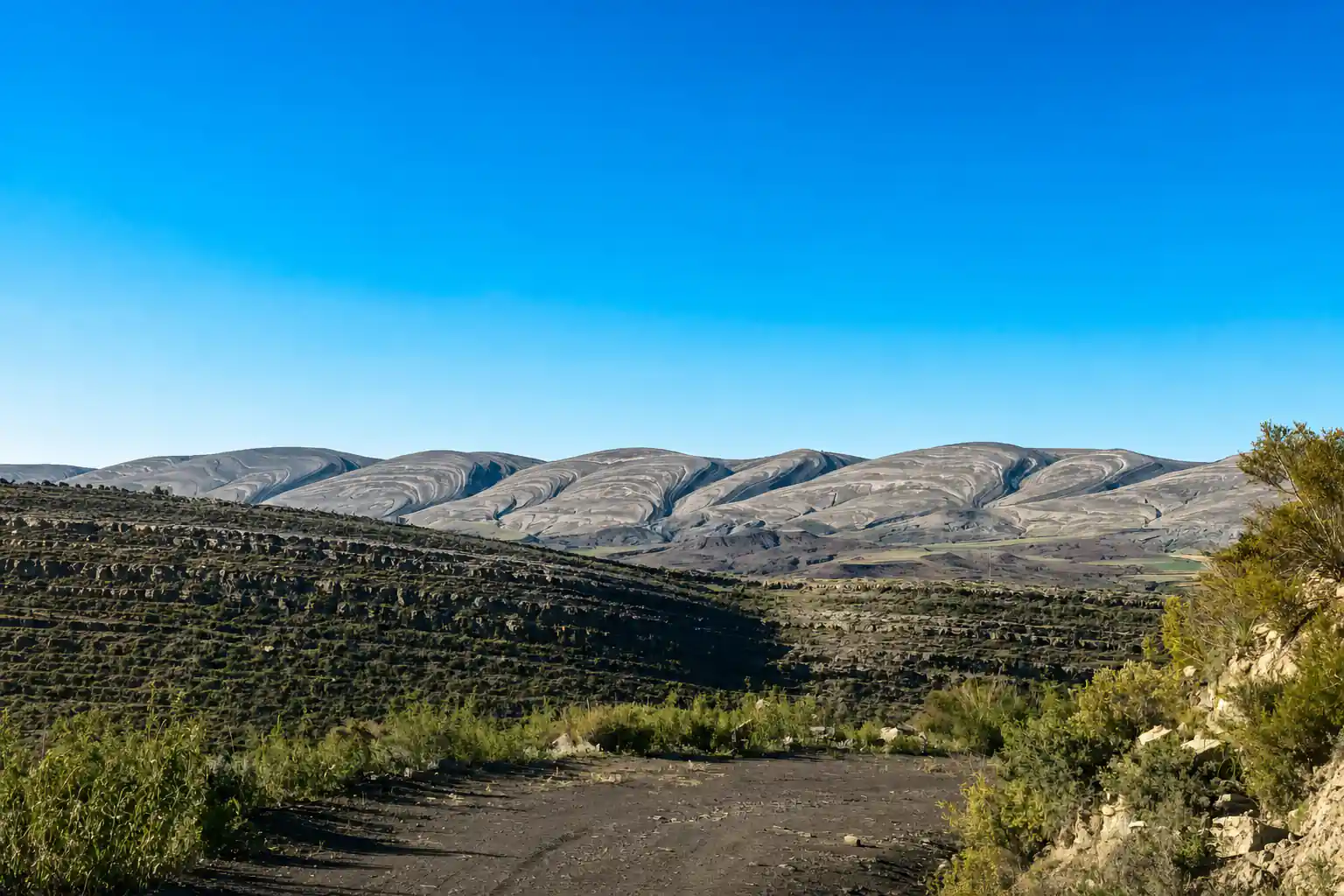
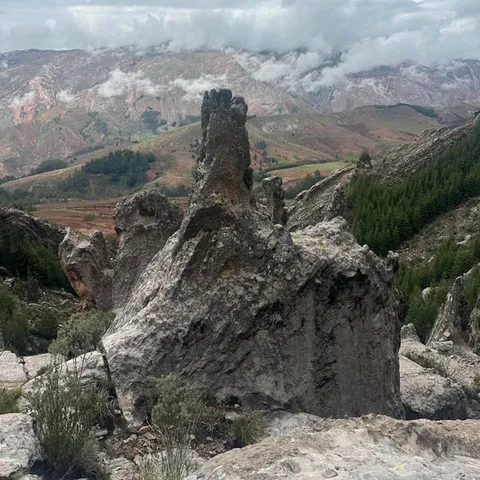
The Crater of Maragua is a wide bowl of red, ochre and grey rock in the Bolivian Andes, south of Sucre. Despite the name and the neat circular shape it makes on a map, it is not volcanic. The crater was formed by thousands of years of erosion, which cut the soft layers into ridges, gullies and the tilted rock beds you walk past on the way down.[8] From the rim the landscape reads like a folded blanket, with dry ridges stacking up behind the village and long views across the valley.
The Maragua crater hike is a point to point walk rather than a loop. You start at the Chataquila trailhead, follow a pre-Hispanic camino downhill, cross the valley at Chaunaca and then continue by vehicle into the crater itself, finishing in the village of Maragua.[1] The ground underfoot changes constantly: pale layered rock, dusty switchbacks, thorn scrub, small fields and a dry riverbed with smooth stones.
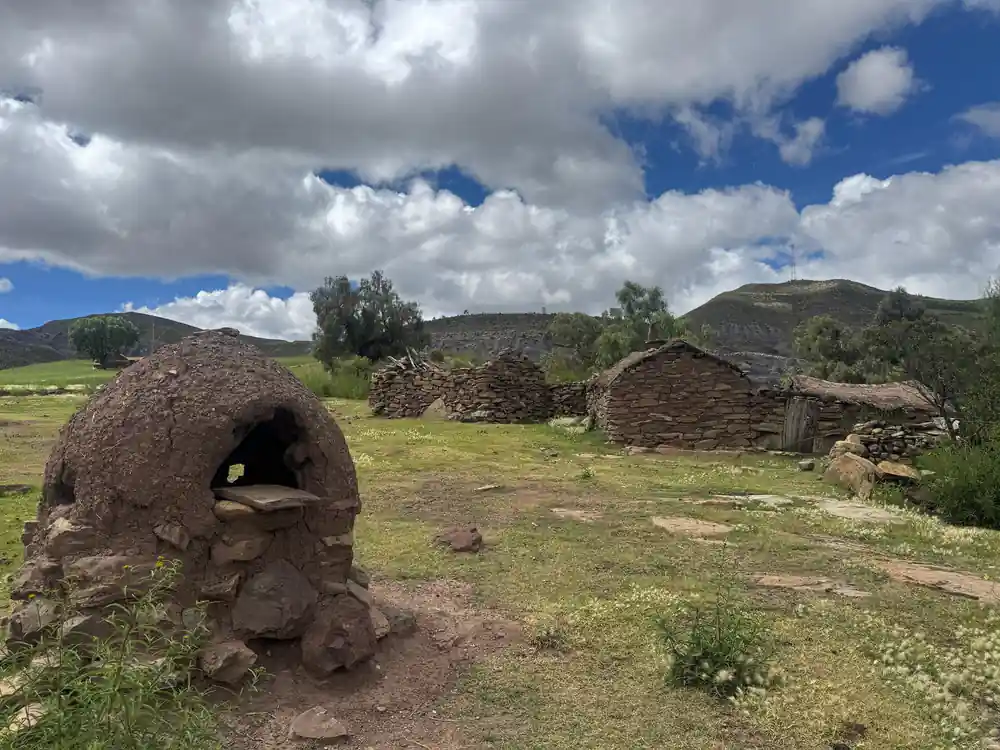
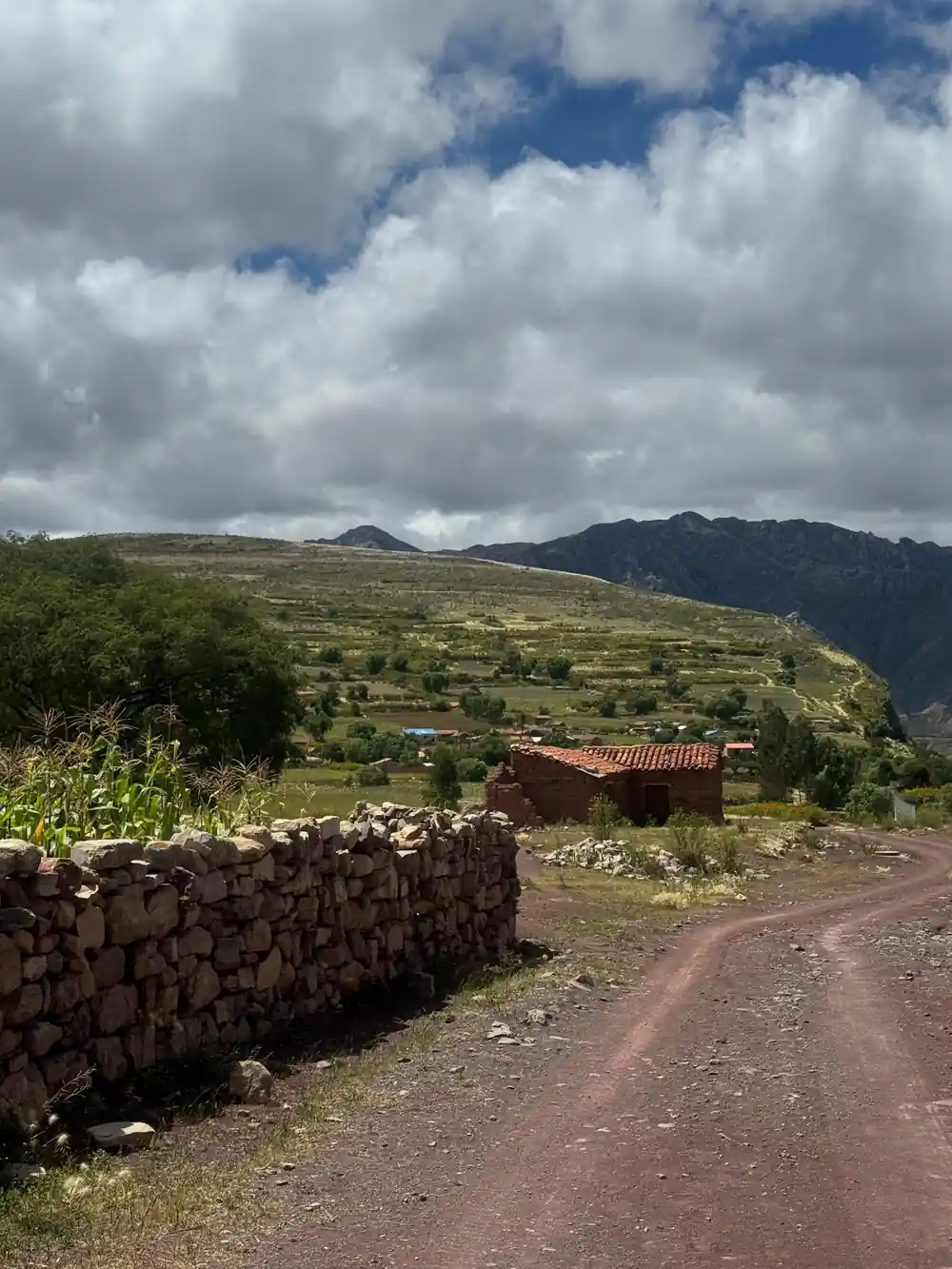
Maragua village sits at 3,100 metres above sea level.[3] Around it the crater walls curve away in bands of colour, with a patchwork of tiny fields on the floor and woodsmoke drifting from the houses. It feels remote, although the approach is a straightforward drive on dirt roads, and the fields and low buildings give the crater floor a lived-in feel rather than a wilderness one.
The trail: Chataquila, the Inca path and Chaunaca
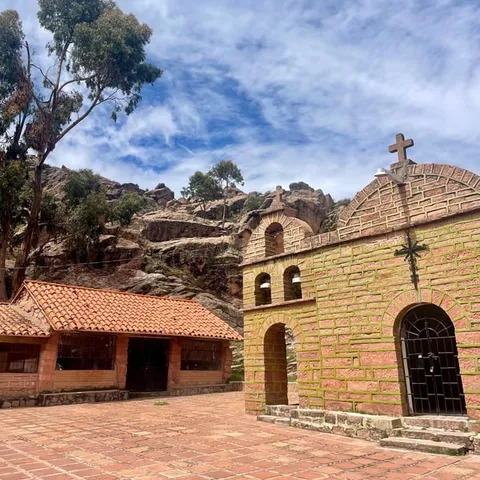
The walking starts at Chataquila, where a small chapel marks the top of the old route. The drive from Sucre to the trailhead takes about 1.5 hours.[1] From the trailhead the path drops away and follows a pre-Hispanic camino, also known as the Inca trail of Chataquila, downhill for 6km.[1] The first stretch is the steepest, and it is worth stopping to look back at the road and the valley opening below.
The stone path itself is the highlight for many people: flat slabs laid in steps down the hillside, with long views over the valley and the river below. In the dry season the surface is loose and dusty in places, and centuries of feet and weather have worn the stones smooth, so take the descent steadily rather than quickly and watch your footing on the steeper corners.
Guided day trips handle the transfer from Sucre, collecting you from the city before the walk begins. At the bottom you reach Chaunaca, a small settlement in the valley, and the walking section ends. From there a jeep or SUV carries you on to the crater, so the day mixes footpath, dirt road and village time rather than being a single long march.
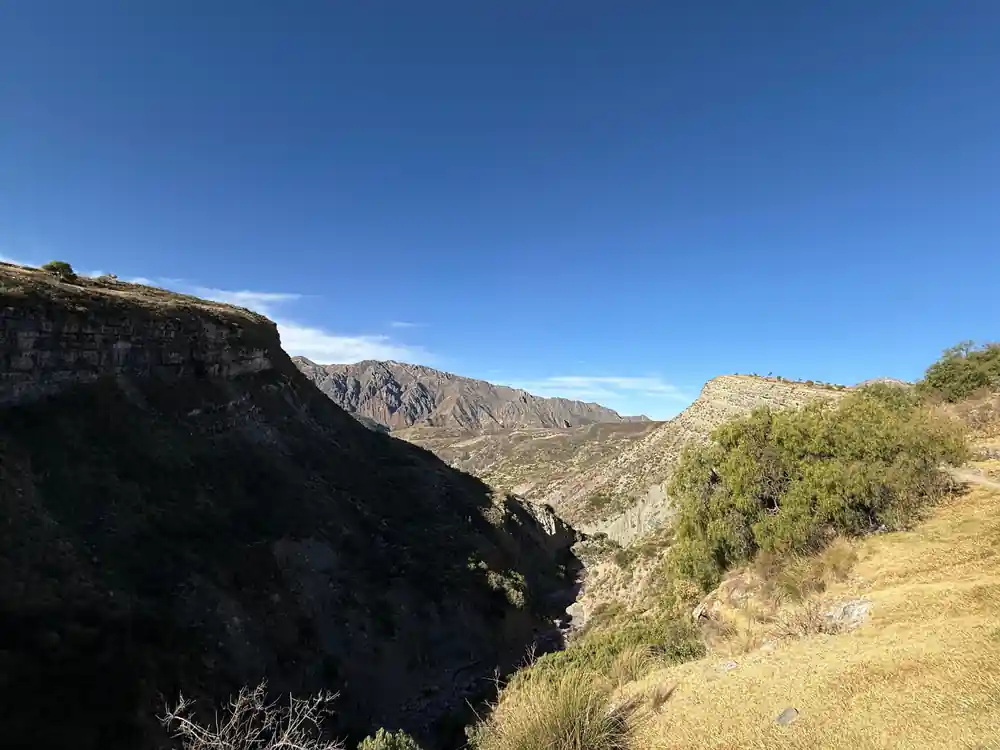
Layer after layer of rock runs across the walls of the Maragua Crater.
How hard is the Maragua crater trek?
The hike is not long, but it is not flat either. The main walking is the 6km descent from Chataquila to Chaunaca on an old stone camino, and going down uneven steps for that distance is usually what people notice the next morning.[1] Walking poles take some of the load off your knees, and shoes with real grip make the loose sections far less slippery. The pace is relaxed, with stops for photos, water and the occasional group of sheep or donkeys on the path.
The guided day trip from Sucre runs for 10 hours in total, which covers the transfers at both ends, the walk and time in the crater and the village.[2] If you are acclimatised and comfortable on rough ground, this is a manageable day out rather than a full expedition. Anyone with knee trouble should plan to take the descent slowly and let the group go ahead.
Altitude and when to go
Sucre sits at around 2,810 metres above sea level and enjoys what locals sometimes call eternal spring, with daytime highs between 20°C and 23°C all year.[4] That makes the city a gentle place to spend a few days before you head for higher ground. Even so, a steep village street or the climb back up from the trailhead will remind you where you are.
May to October is the ideal window for Sucre and the trekking regions of the Bolivian Andes.[5] Outside those months you can still walk, but expect softer ground, cloudier skies and a greater chance of rain in the valleys. Early starts tend to give the clearest views of the crater rims and of the layered ridges that stack up behind them, and the light is softer for photographs.
Whatever the month, the sun is strong and the air is thin. Drink more water than you think you need, wear a hat and sunglasses, and give yourself time to adjust before pushing uphill. A slow, steady pace beats a fast start on any walk at this altitude, and it leaves you with energy for the crater floor.
from US$95
The 1-day trek to the Crater of Maragua runs 10 hours from Sucre, with pickup included and a guide in Spanish and English.[2]
Dinosaur footprints, waterfalls and cave art
The crater is not the only reason to come. From Maragua the walk continues down to Niñu Mayu, where around 100 dinosaur footprints can be found.[1] Seeing three-toed tracks pressed into pale rock, with the ridges rising behind them, is a strange and memorable moment, and the prints sit close to the trail rather than far out in the landscape.
Not far from the village is a set of waterfalls known as La Garganta del Diablo, the Devil's Throat.[8] Some itineraries also stop at rock shelters with old paintings on the walls, and the lanes around Maragua are good places to see small fields, animals and the everyday life of a highland village that few travellers pass through.
If textiles interest you, it is worth knowing that ASUR began its Indigenous Art Revival Program in 1985 to revive traditional weaving and bring extra income to the Jalq'a and Tarabuco communities.[9] The museum collections in Sucre show what that work has produced, and buying directly from weavers in the villages is one way to support it.
Choosing a Maragua crater tour from Sucre
The trek booked for this guide is a 1-day trip from Sucre that starts at US$95, runs for 10 hours and is rated 4.76 from 100 reviews.[2] Pickup is included, the guide speaks Spanish and English, you can reserve now and pay later, and free cancellation is available up to 24 hours in advance.[2]
Other options suit different plans. A day trip built around the crater and the dinosaur footprints starts at US$159.[10] A sunrise trip that adds old cave paintings starts at US$106,[7] and a 2-day trek through the Inca trails and the crater starts at US$125.[6]
Whichever you choose, the route covers the same ground: the stone camino above Chaunaca, the valley below it and the crater floor around Maragua. The differences come down to timing, group size and how many stops the day can hold, so read the itinerary before you book and pick the pace that suits you.
What to pack and how to plan the day
Take a daypack with water, high-factor sunscreen, a hat and sunglasses, plus a warm layer for the morning and the drive home. Bring a rain shell in the shoulder months, and wear shoes you have already walked in. A small amount of cash in local notes is useful for drinks, snacks and tips along the way.
Book your tour before you leave Sucre where you can, and confirm your pickup point the day before. Eat a proper breakfast, take the descent slowly and enjoy the middle of the day, when the light on the crater walls is at its best. Late afternoon brings the drive back to the city and noticeably cooler air.
If you have time, add a day in Sucre either side of the trek. The city's mild weather and moderate altitude make it a comfortable base, and the markets, museums and viewpoints are worth an afternoon on their own. Sleeping well before the hike matters more than any piece of gear.
Maragua crater treks: from-prices per person
From-prices in US dollars for Maragua crater tours listed on GetYourGuide.[2][6][7][10]
What a Maragua crater trek costs
From-prices per person in US dollars for Maragua crater tours.[2][6][7][10]
When to go and how to book
How to plan the day
Acclimatise in Sucre
Give yourself a day in Sucre first. The city sits at around 2,810 metres above sea level, so you are already partway up.[4]
Book your trek
The 1-day trek from Sucre starts at US$95 and can be reserved now with payment later.[2]
Pack light and warm
Bring water, sun protection and a warm layer. The crater floor is hot at midday, and the ride back to Sucre is cool in the evening.
Meet your pickup
Pickup is included, and the driver collects you before the drive to the trailhead. Check availability for the exact starting time.[2]
Walk down to Chaunaca
From Chataquila the pre-Hispanic camino drops for 6km to Chaunaca, where the jeep meets you for the run into the crater.[1]
Ready to walk the Maragua crater trail?
from US$95Reserve now & pay later