If you read nothing else
- The one-day crater trek is listed from US$95[1], the two-day trek from US$125[2] and a crater and dinosaur footprints day from US$159[3].
- The crater trek runs for 10 hours[1], the two-day version lasts 2 days[2] and the crater and footprints day runs 8 hours.[3]
- The trek booked from this site is rated 4.76 from 100 reviews, with Guide 4.8, Transportation 4.8 and Value for money 4.4.[1]
- An eroded, non-volcanic crater[4], an Inca camino walked downhill for 6km[5] and the village of Maragua at 3,100 metres.[6]
- Pickup included with details when you check availability, a live guide in Spanish and English, and free cancellation.[1]
- Top choice 1-day crater trek from US$95 Duration10 hours[1]Rating4.76 from 100 reviews[1]Guide languagesSpanish and English[1]Free cancellationCancel up to 24 hours in advance[1] Check availability
- 2-day crater trek from US$125 Duration2 days[2]Rating4.95 from 12 reviews[2]Guide languagesEnglish and Spanish[2]Free cancellationCancel up to 24 hours in advance[2] See this tour
- Sunrise and caves from US$106 Duration10 hours[7]Rating4.66 from 16 reviews[7]Guide languagesEnglish and Spanish[7]Free cancellationCancel up to 24 hours in advance[7] See this tour
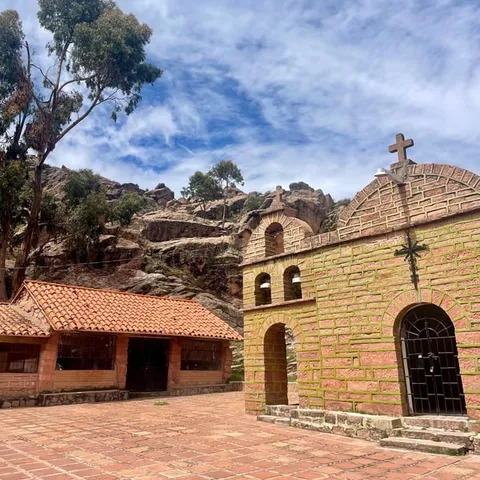
The museum is an integral part of the Indigenous Art Revival Program, initiated by ASUR in 1985. From its beginning, the program mainly aimed at reviving the traditional textiles and generate additional income for the indigenous communities of the Jalq’a and Tarabuco cultures.
Is the Maragua crater trek worth the price?
Read before booking
What a Maragua crater tour costs
The Maragua crater tour cost shifts depending on which listing you pick and what kind of day you want, so it is worth looking at two or three before you commit. The one-day trek booked from this site is listed from US$95.[1] A sunrise trip that adds old cave paintings is listed from US$106.[7] And the two-day trek, which keeps you out in the crater area overnight, is listed from US$125.[2] Treat each figure as a starting point and check the live price for your own dates and group before you decide.
Day trips built around the crater and the dinosaur footprints sit higher. One is listed from US$159[3] and another from US$180[9]. Every price on the listings is a from price, which means the amount you actually pay depends on your date and how many people are travelling. The one-day trek booked from this site can be reserved now and paid later, and it carries free cancellation up to 24 hours in advance for a full refund.[1] If you are travelling as a couple or a family, weigh the footprint day trips against the small group treks before you decide which to book.
What the one-day crater trek covers
The listing sets out the shape of the day in order: a pickup location, a jeep or SUV transfer, then Chataquila, the Camino del Inca, Chaunaca, another jeep or SUV leg to the Maragua Crater, and a jeep or SUV back at the end.[1] The trip runs for 10 hours, and you see the starting times when you check availability.[1] A live tour guide works in Spanish and English[1], and pickup is included, with the details on the listing.[1] The order of stops puts you inside the crater on foot rather than looking down from a viewpoint, with the vehicle legs bookending the walking.
The walking begins at Chataquila, where the route follows a pre-Hispanic camino also known as the Inca trail of Chataquila, heading downhill for 6km.[5] The drive from Sucre up to that trailhead takes about 1.5 hours.[5] Maragua village is listed at 3,100 metres above sea level.[6] Further along the Maragua to Potolo walk, at Niñu Mayu, around 100 dinosaur footprints can be found.[5] Heading downhill from the start, the views arrive as you walk rather than after a long climb, and there is time to stop for photographs on the way to the village.
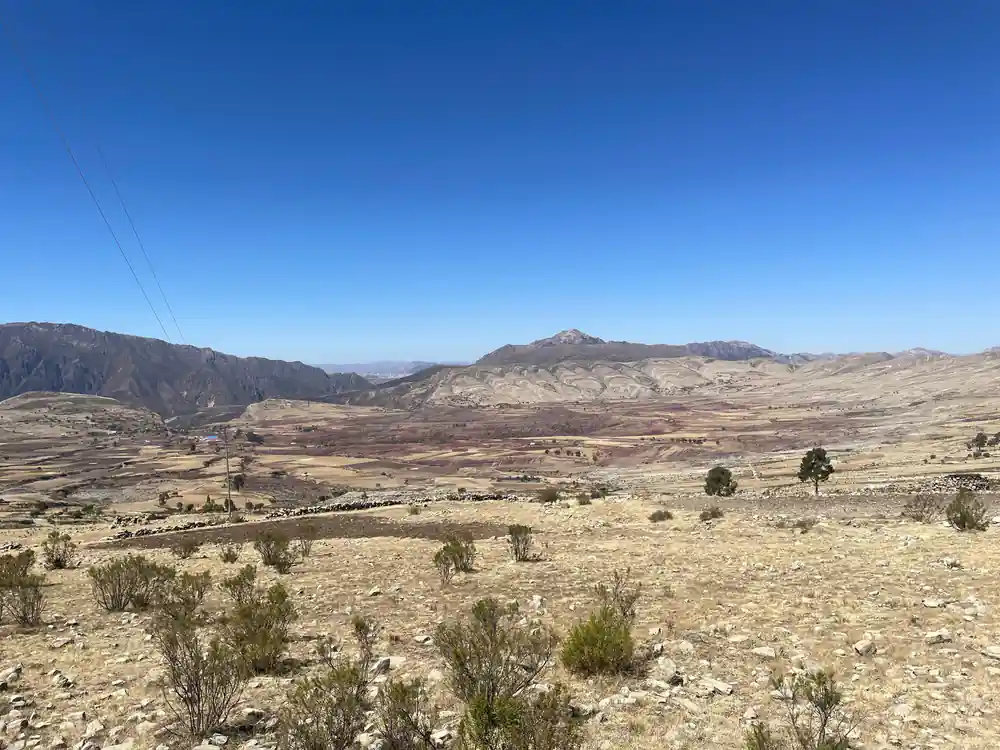
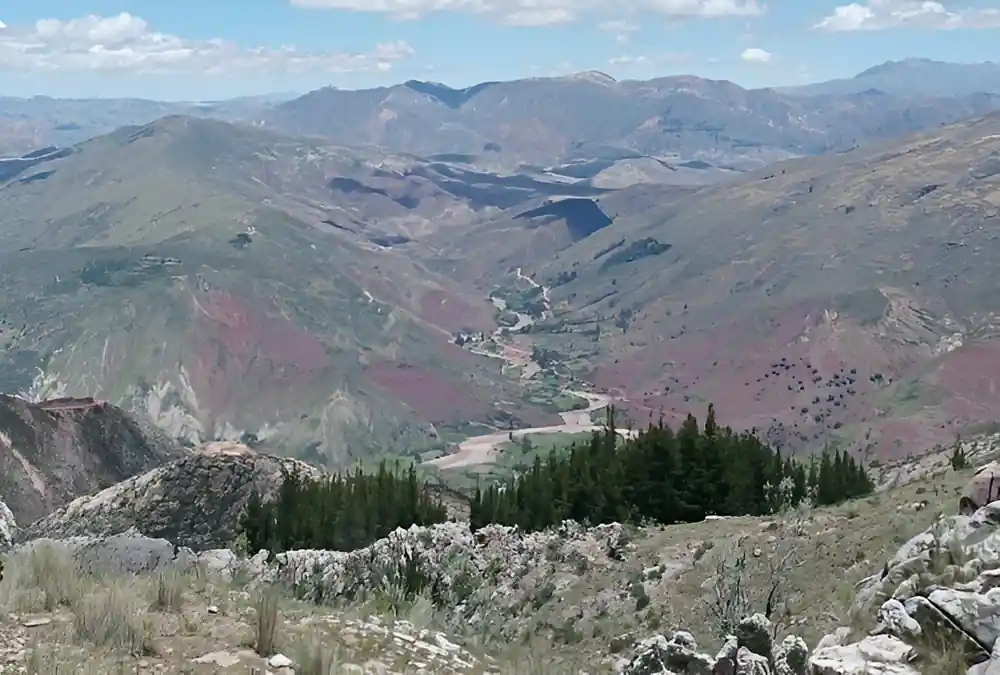
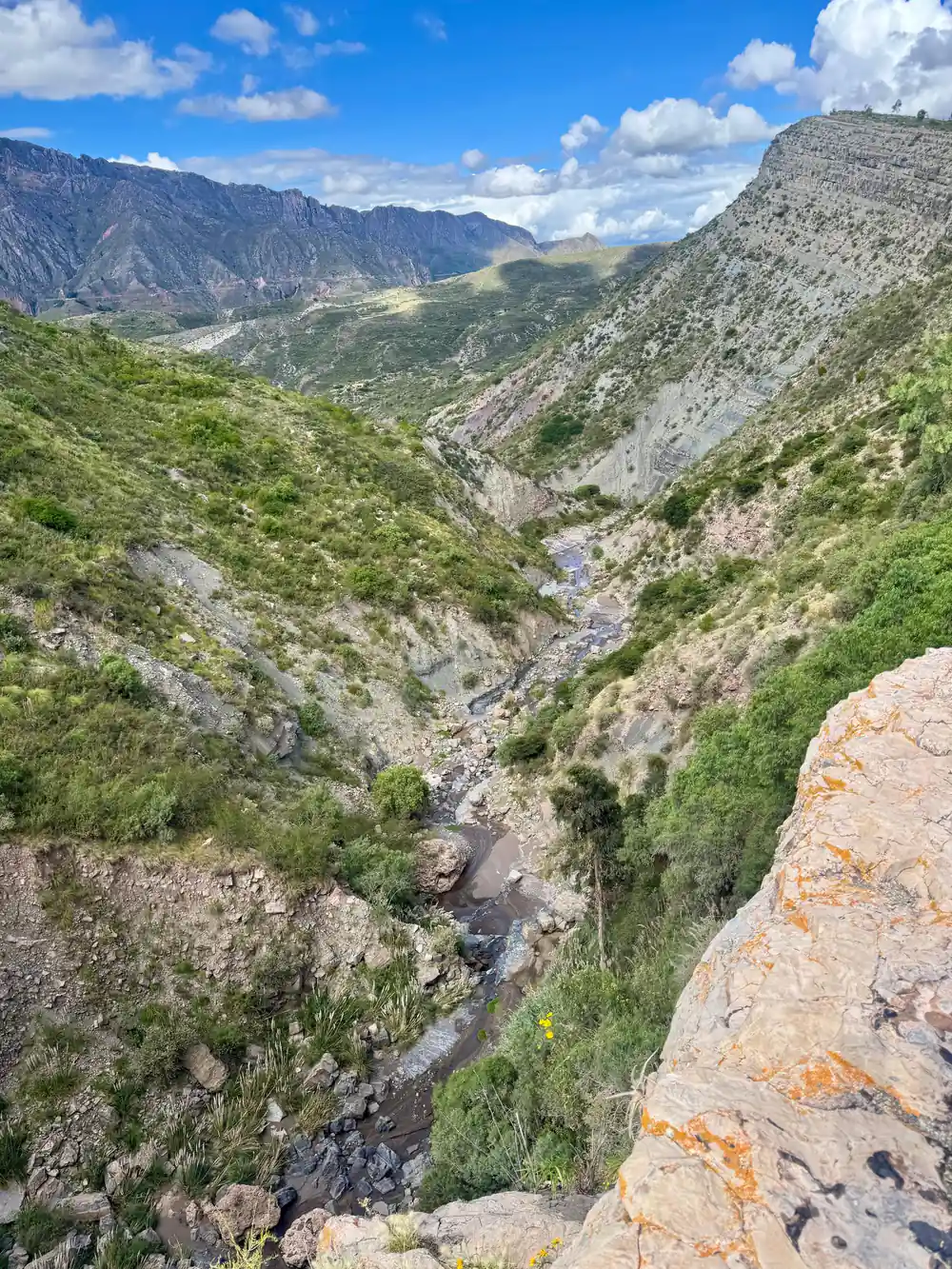
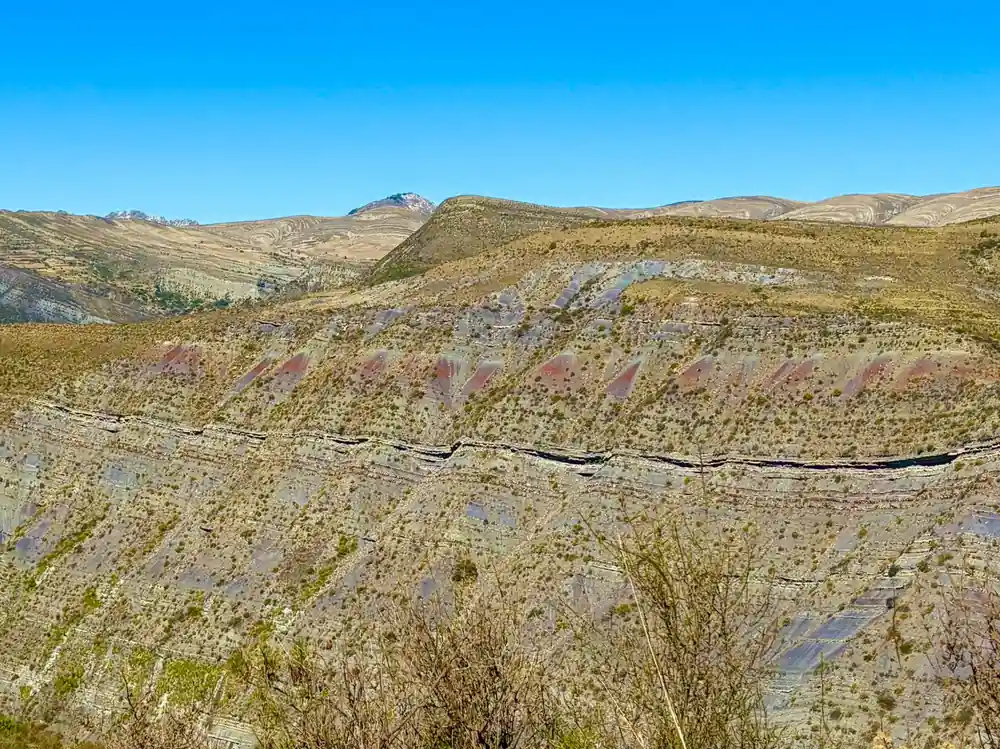
Layered rock beds and pale ridges inside the eroded Maragua Crater
One day, two days or a private car
If your time in Sucre is short, the one-day formats keep the crater within reach. The trek booked from this site runs for 10 hours[1], the sunrise and cave paintings trip also runs for 10 hours[7], and the crater and dinosaur footprints day runs 8 hours.[3] The sunrise trip is limited to a small group of 12 participants.[7] Check the group size on each listing before you book, and pick the format that suits how you like to walk.
Staying out overnight changes the rhythm of the trip. The two-day trek is limited to a small group of 10 participants, with a live guide in English and Spanish[2], and it is rated 4.95 from 12 reviews.[2] The sunrise day trip is rated 4.66 from 16 reviews, with Guide 5, Transportation 5 and Value for money 3.8.[7] The trek booked from this site is rated 4.76 from 100 reviews, with Guide 4.8, Transportation 4.8 and Value for money 4.4.[1] Look at how each listing scores for guiding, transport and value for money, not just the headline number.
Crater, Inca road and dinosaur footprints
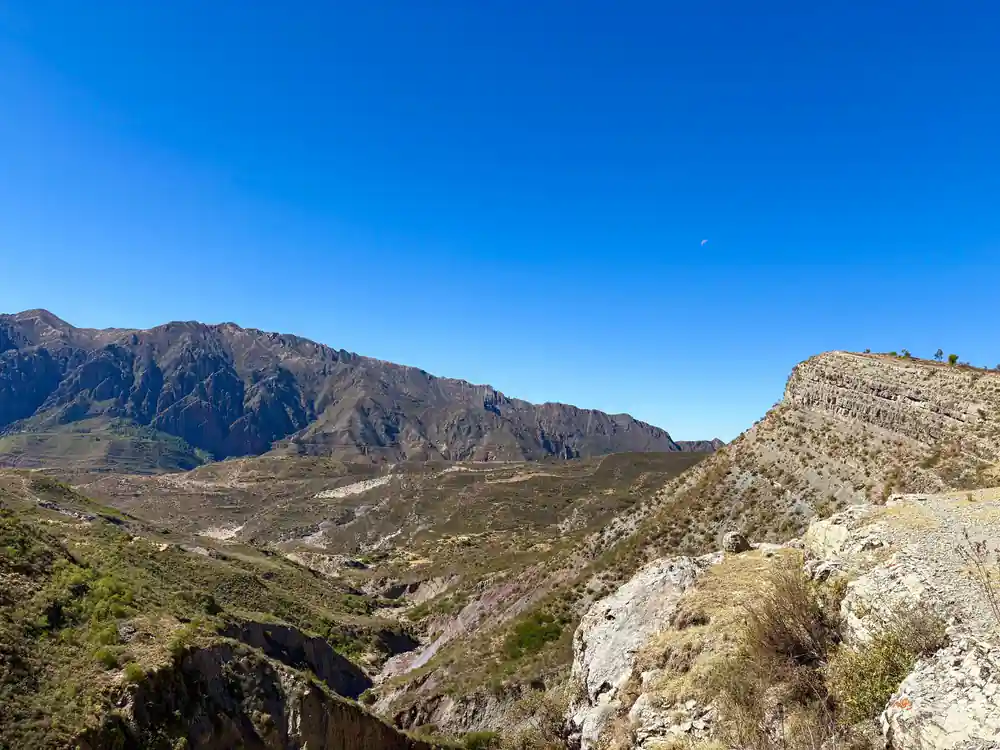
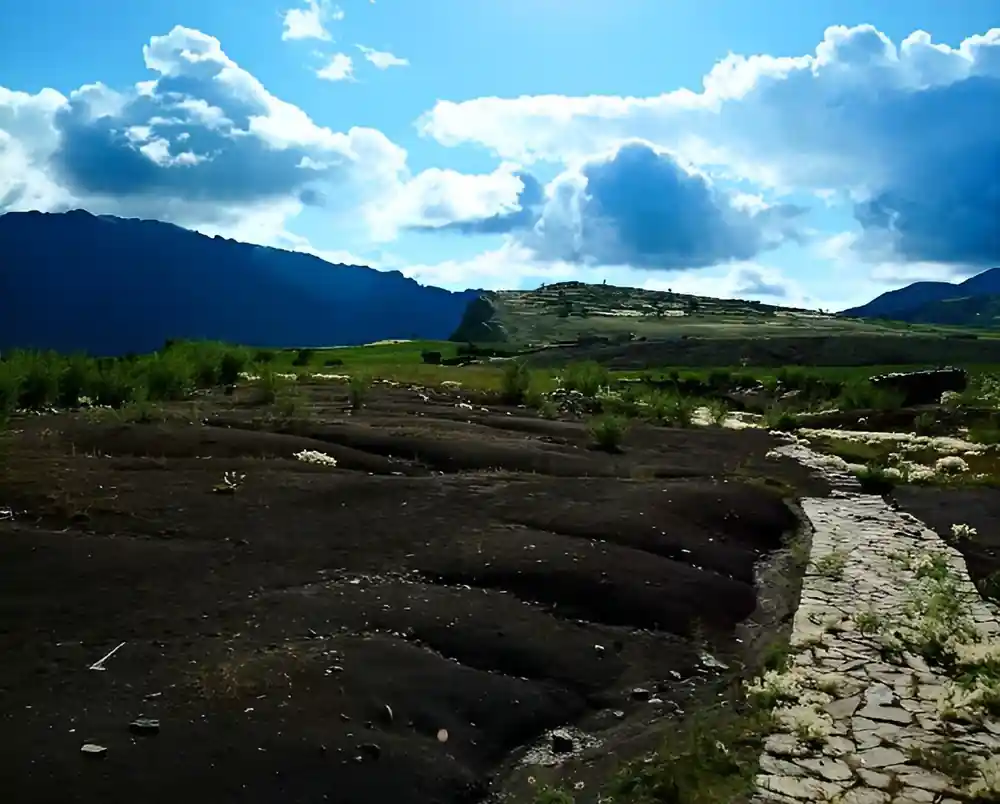
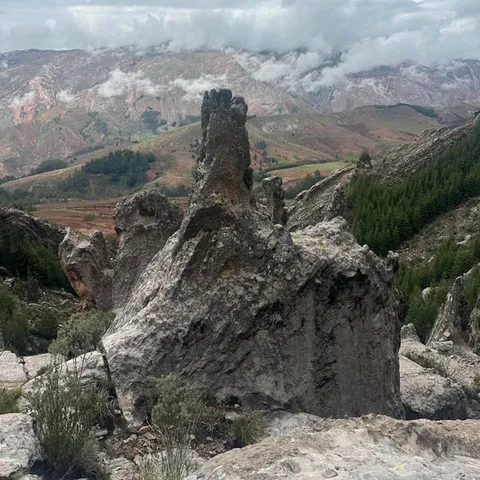
Start with the geology, because it shapes everything you see. The Maragua Crater is not volcanic; it was formed by thousands of years of erosion.[4] In photographs and on the ground, the walls read as banded sediment, with tilted beds of rock running across wide slopes, gullies cutting through soft layers, and ridges stepping away towards the distant range. Colours shift through the day as the sun moves across those slopes, from pale grey and ochre in the morning to warmer reds in the afternoon, and the scale only becomes clear once you are standing inside the rim.
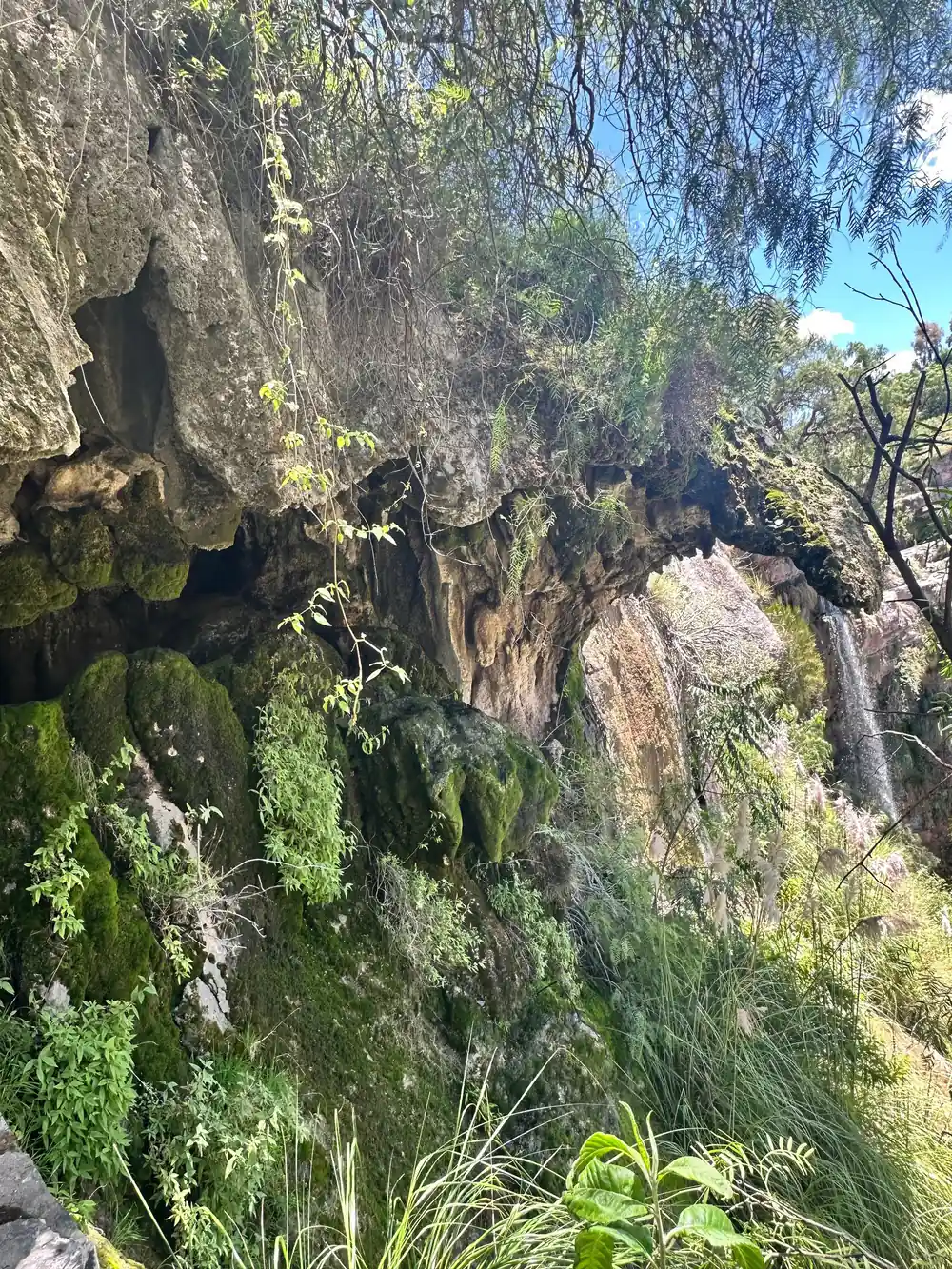
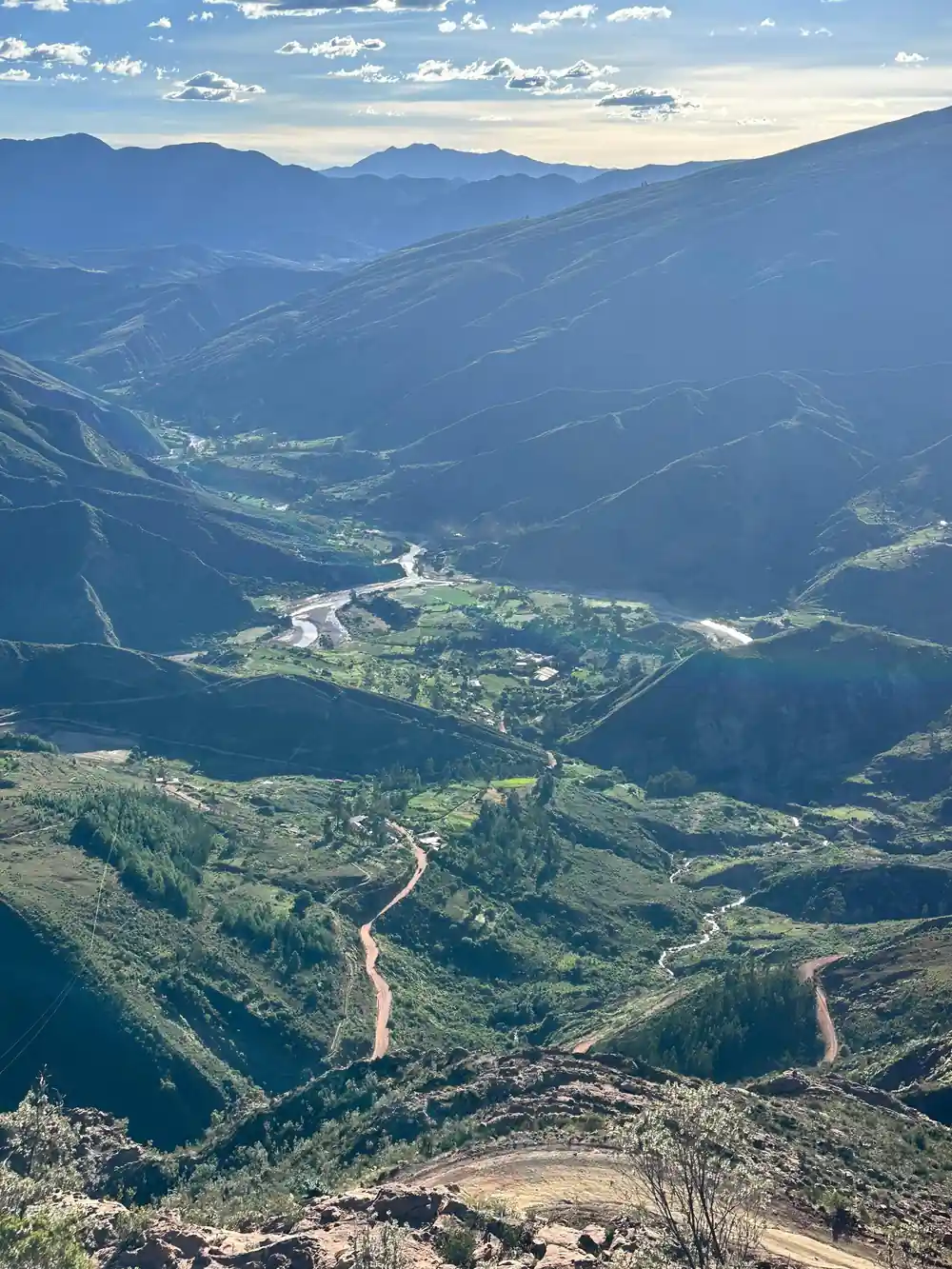
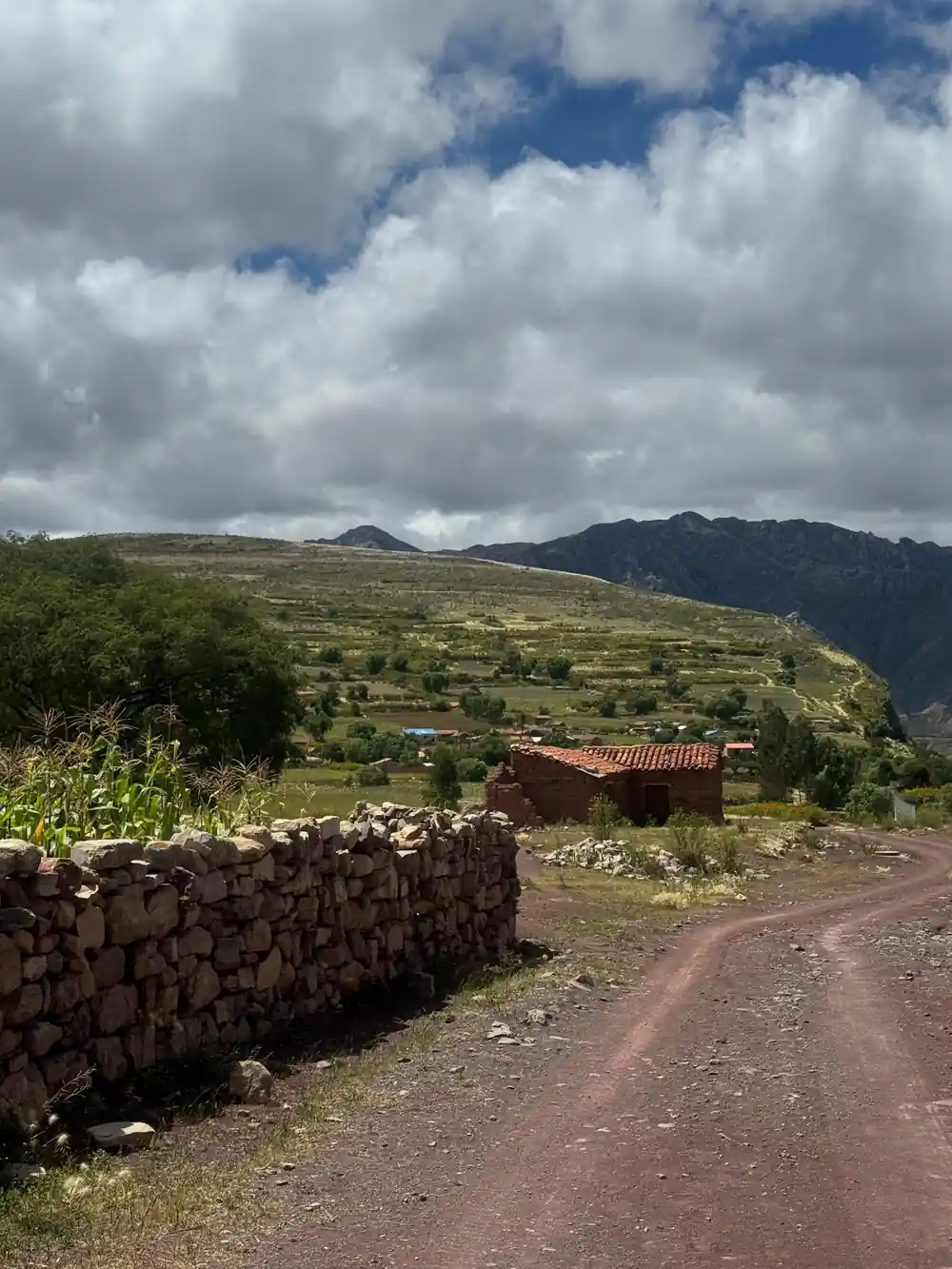
Water has had a hand in the scenery too. Not far from the village of Maragua is a set of waterfalls known as La Garganta del Diablo, the Devil's Throat.[4] The old road under your feet is part of the story as well: the pre-Hispanic camino near Maragua, also called the Inca trail of Chataquila, is followed downhill for 6km on the walk.[5] In the wider valley, terraced fields and small farm plots climb the slopes, and the tracks you follow are often the same ones local families use to reach them. Expect dust underfoot in the dry months and a greener landscape after rain, with gullies running and the terraced fields standing out against the rock.
from US$95
The crater trek booked from this site is listed from that price, runs for 10 hours and has pickup included.[1]
Altitude, weather and how to prepare
Sucre sits at around 2,810 metres above sea level and has a climate of eternal spring, with daytime highs between 20°C and 23°C through the year.[8] Maragua is listed at 3,100 metres on the crater trek itinerary.[6] Those are highland numbers, but not extreme ones, and a day or two in the city usually helps you adjust. Give yourself time at city altitude before the trek, drink more water than you think you need, and take the downhill sections steadily: the camino from Chataquila descends for 6km.[5]
The descent is easy on the lungs and harder on the knees, so shoes with real grip matter more than heavy boots. Bring a hat, sunscreen and a light shell, because mountain weather can change quickly even in a mild season. Starting times for the crater trek are confirmed when you check availability on the listing.[1] A small daypack is enough for the one-day trek: water, a snack, sun cream and a thin rain jacket all fit easily. Trekking poles help on the loose sections if you normally use them, and a light scarf keeps the dust out on windy afternoons. If you feel light headed or short of breath on a climb, slow down and let your breathing settle before carrying on.
When to go and what to wear
May to October is ideal for visiting Sucre and the trekking regions of the Bolivian Andes.[10] Sucre's daytime highs sit between 20°C and 23°C through the year, which keeps the walking comfortable without much gear.[8] Outside that window, pack for wetter conditions and softer ground underfoot. Sucre rarely feels cold in the middle of the day, but mornings and evenings at altitude are another matter, so pack a warm layer for the start of the day and for the drive back into the city.
Dress in layers you can shed: a base layer, a fleece, a windproof outer, and trousers that let you step over rock. Loose scree and dusty tracks appear on the downhill stretches, so trail shoes with decent tread beat smooth soles. Pack water, snacks, sun cream and a small first aid kit, and keep a warm layer handy for the drive back once the sun drops behind the ridges. A wide brimmed hat and sunglasses help on the exposed stretches of the crater, and a spare pair of socks is a small comfort if the dust gets in.
Village culture, guides and booking wisely
The crater sits in a working farming landscape of terraced fields and small highland villages, and textiles are a serious local craft. ASUR began its Indigenous Art Revival Program in 1985 to revive traditional textiles and to generate extra income for the Jalq'a and Tarabuco communities.[11] A museum stop in Sucre before or after your trek makes the patterns you pass on the trail easier to read. If you want to take something home, textiles bought from local weavers or from a museum shop travel better than bulky souvenirs. Ask your guide about the patterns you pass on the way; the designs carry meanings that are easy to miss on a quick walk past.
On the practical side, check the guide languages before you book. The trek booked from this site has a live guide in Spanish and English[1], the two-day version has a live guide in English and Spanish[2], and the crater and footprints day has a live guide in English and Spanish.[3] The one-day trek can be reserved now and paid later, with free cancellation up to 24 hours in advance for a full refund.[1] Confirm your pickup details the day before you travel, and keep a copy of the booking on your phone. Pickup is included on the one-day trek, with the details on the listing.[1]
From-prices for Maragua crater tours out of Sucre
Maragua crater tour cost by option
From-prices per adult as listed on each tour:[1][2][3][7]
When to go and when to book
Plan a Maragua crater trek
Compare the listings
Put the one-day trek, the two-day trek and the private excursion side by side and weigh up duration, group size and guide languages.
Acclimatise in Sucre
Sucre sits at around 2,810 metres[8] and Maragua at 3,100 metres[6], so give yourself a day at city altitude before the trek.
Pack for sun and rock
Boots or trail shoes with grip, a hat, sunscreen, water and a light shell cover most days on the trail.
Check your pickup
Pickup is included on the crater trek, and the details appear when you check availability.[1]
Keep the evening free
The trek runs for 10 hours, so plan an easy evening back in Sucre with nothing booked too tightly.[1]
Ready to walk the Inca trail into the Maragua Crater?
from US$95Reserve now & pay later