If you read nothing else
- The trek begins with a drive from Sucre to the Chataquila trailhead, about 1.5 hours on the road.[1]
- Sucre sits at around 2,810 metres above sea level,[2] and Maragua village on the crater trek is listed at 3,100 metres.[3]
- The route follows a pre-Hispanic camino, also known as the Inca trail of Chataquila, downhill for 6 km.[1]
- The 1-day trek runs 10 hours, from US$95, with pickup included and free cancellation up to 24 hours in advance.[4]
- May to October is ideal for Sucre and the high-altitude trekking regions of the Bolivian Andes.[5]
- Top choice 1-Day Maragua Crater Trek from US$95 Duration10 hours[4]Guide languagesSpanish, English[4]StopsChataquila, Chaunaca, Maragua[4]Rating4.76 from 100 reviews[4]CancellationCancel up to 24 hours in advance[4] Check availability
- Sunrise, crater, cave art from US$106 Duration10 hours[6]Guide languagesEnglish, Spanish[6]StopsChataquila, cave paintings, Maragua[6]Rating4.66 from 16 reviews[6]CancellationCancel up to 24 hours in advance[6] See this tour
- Crater and footprints day from US$159 Duration8 hours[7]Guide languagesEnglish, Spanish[7]StopsMaragua crater, dinosaur footprints[7]RatingNo reviews yet[7]CancellationCancel up to 24 hours in advance[7] See this tour
The city enjoys what locals sometimes call "eternal spring"; daytime highs hover with almost uncanny consistency between 20°C (68°F) and 23°C (73°F) for the entire year, rarely swinging more than a few degrees in either direction.
Is altitude a problem on the Maragua crater trek?
Ahead of the trip
- Plan the crater day for later in your Sucre stay, not the morning after you arrive
- Pack for mild days and cold mornings: layers you can shed as the walking warms you up
- Sleep well for two nights before the trek and keep the first evening quiet
- Mention heart, lung or blood pressure conditions to your guide before you set off
On the trail
- Hat, sunglasses and sunscreen you reapply, because the sun is stronger than the temperature suggests
- Shoes with real grip for old stone steps and loose downhill gravel
- Small notes for drinks, snacks and tips along the way
- Stay with the group and keep the guide in sight on the descent
Maragua Crater Altitude: The Numbers for the Day
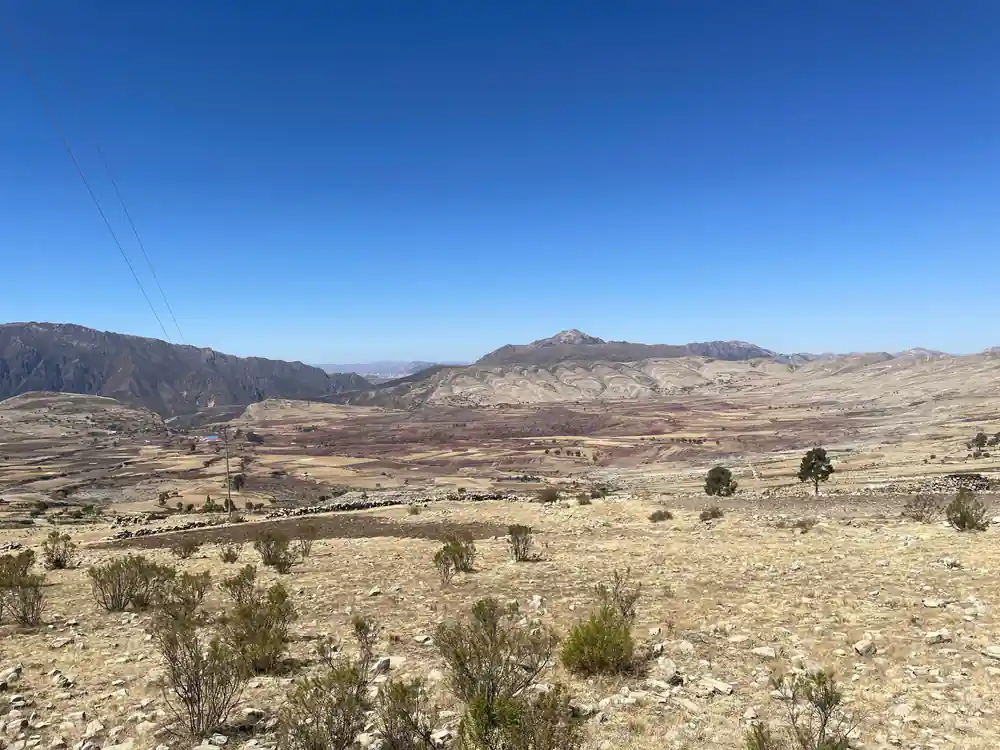
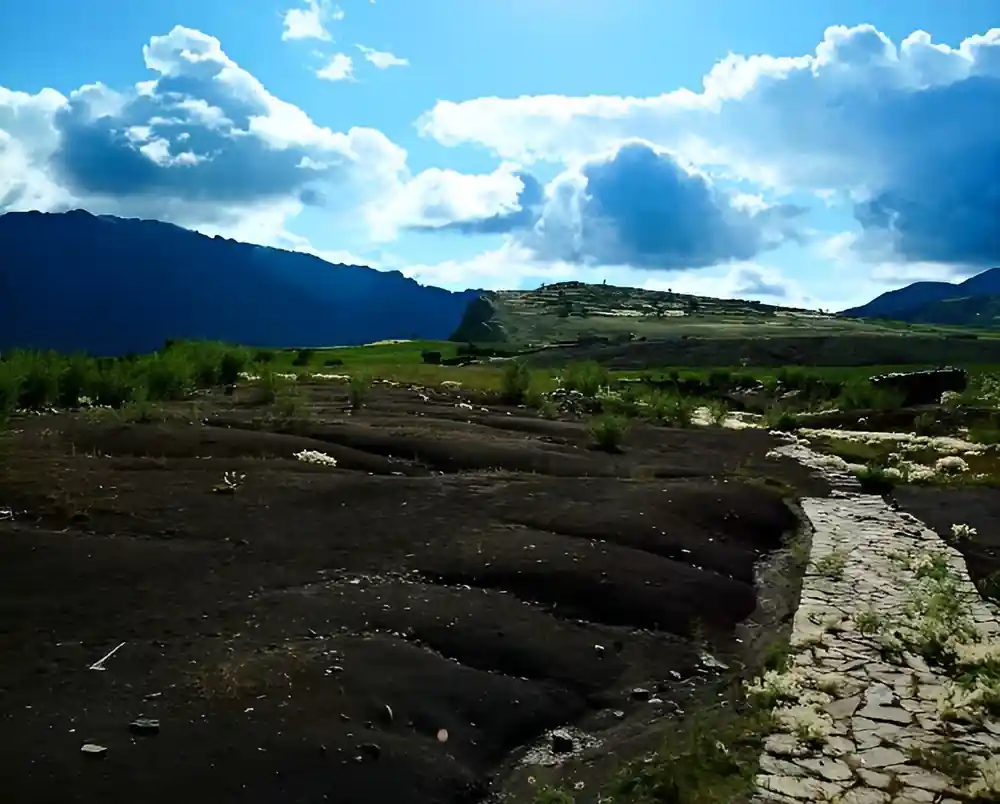
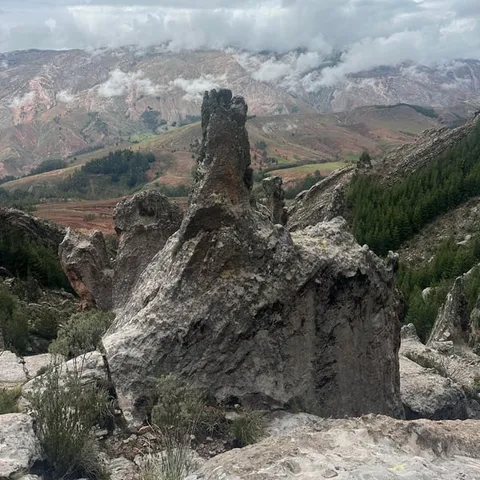
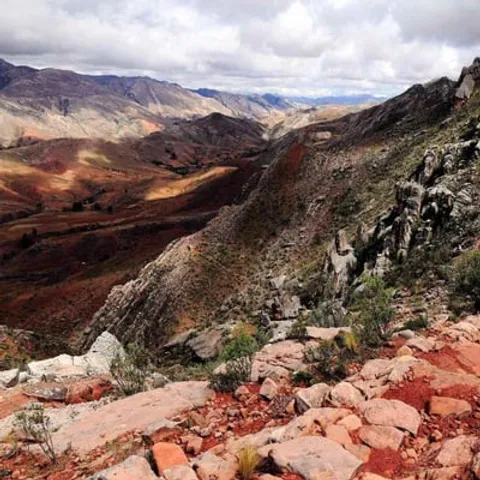
Sucre Bolivia elevation sits at around 2,810 metres above sea level, and that figure is worth holding in your head before you book anything.[2] On the crater trek the village of Maragua is listed at 3,100 metres.[3] The crater is not volcanic and was formed by thousands of years of erosion.[8] That gives the day its look: weathered rock beds, pale bands and green terraces instead of ash and cinders. Reaching the walk starts with a drive, and the ride from Sucre to the Chataquila trailhead takes about 1.5 hours.[1] From there the day unfolds on foot, spread between the old road, the crater floor and the village.
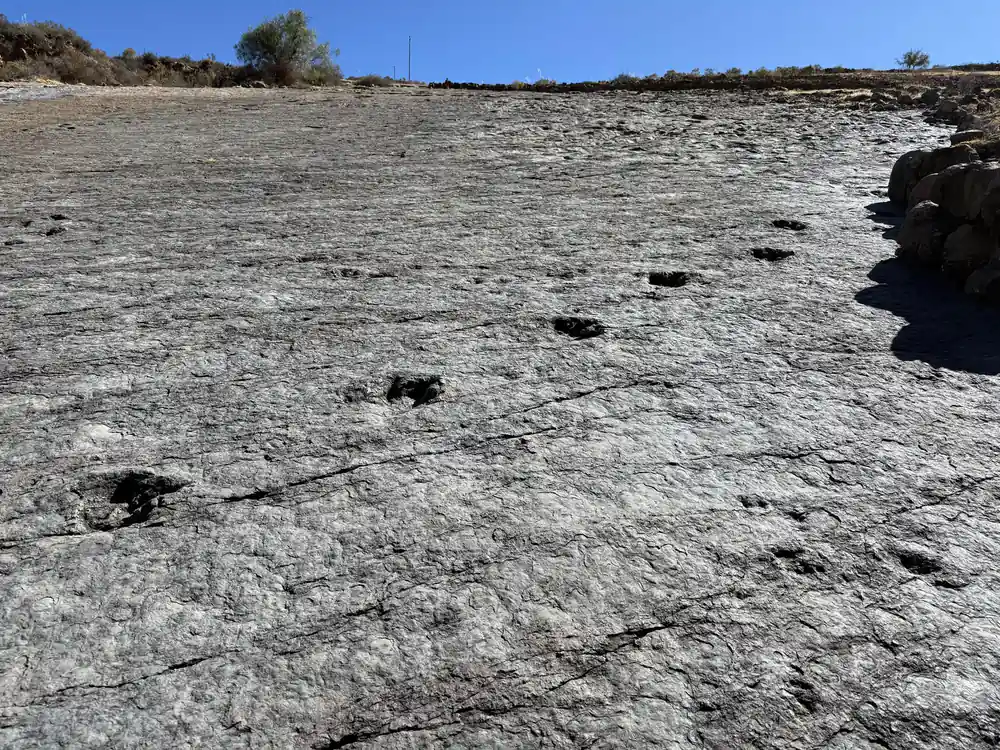
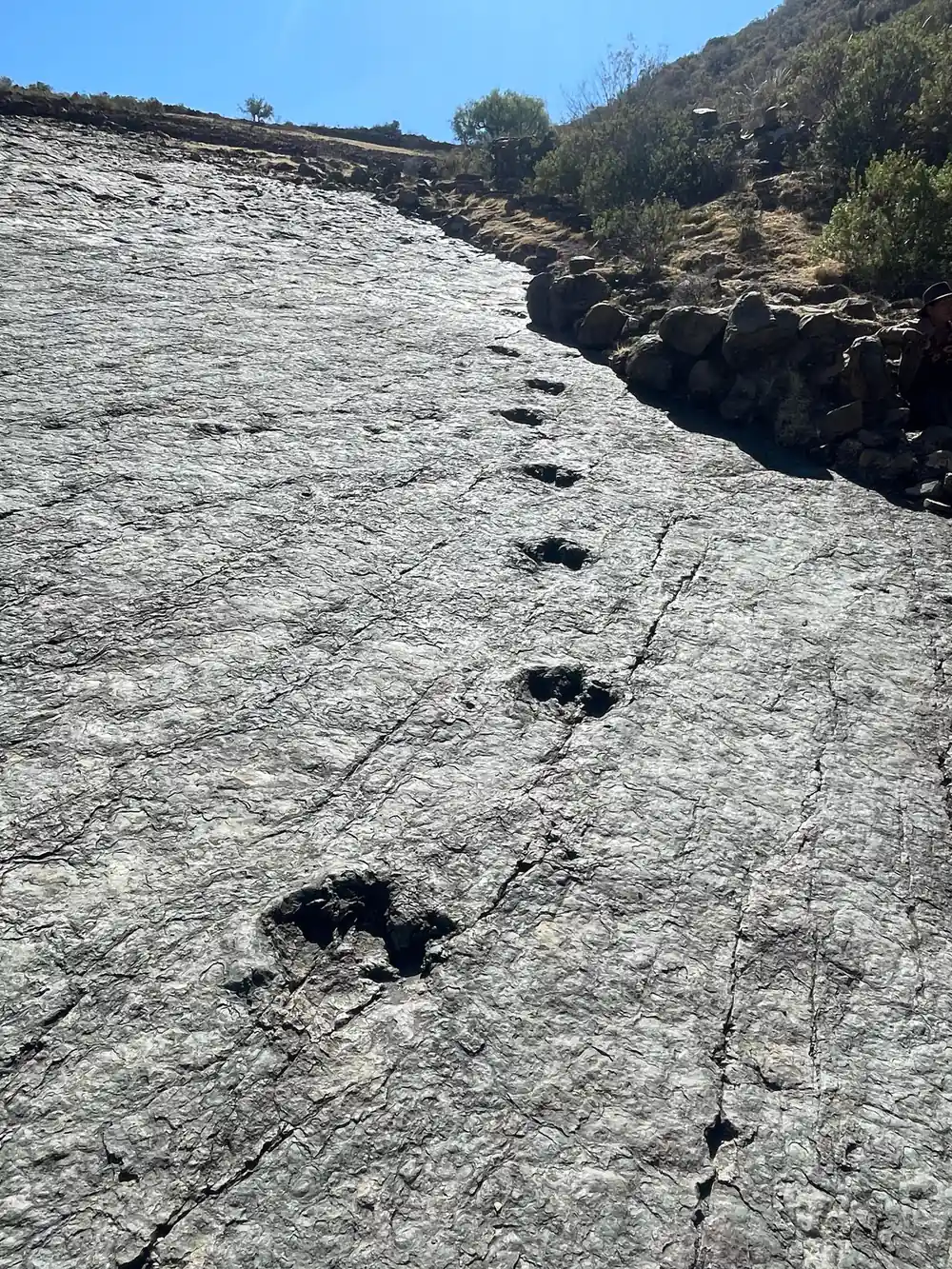
From the trailhead the route follows a pre-Hispanic camino, also known as the Inca trail of Chataquila, downhill for 6 km.[1] Later the walk from Maragua continues down to Niñu Mayu, where around 100 dinosaur footprints can be found.[1] The shape of the day is mostly downward, which is good news for anyone worried about climbing at height. Thin air still has its say. Walk at a pace that lets you talk, drink more than feels necessary, and take the stops the guide offers rather than pushing to the next corner.
What Altitude Actually Feels Like on the Trail
The first thing most people notice at this height is not a dramatic gasp but small things: a dry throat, a deeper breath on a short rise, a headache that creeps in during the afternoon. Everyone arrives from Sucre, which sits at around 2,810 metres above sea level,[2] and the body is already partway used to thin air before the trek begins. Cold mornings, warm middays and cool evenings are normal, and the light is strong enough that shade feels like a different climate altogether. Feeling a bit flat for the first hour does not mean the day is going badly.
Useful habits for the day: start drinking water from the moment you wake up, eat a proper breakfast, and walk at conversation pace. If a set of steps leaves you puffing, that is ordinary; stop, breathe, then carry on. The 1-day trek runs with a live tour guide who speaks Spanish and English,[4] and the guide is the person to ask when something feels off. Snacks matter more than you expect up here, so carry something you actually like eating, and keep it in a pocket rather than the bottom of your pack. A slow first hour usually buys a much better afternoon.
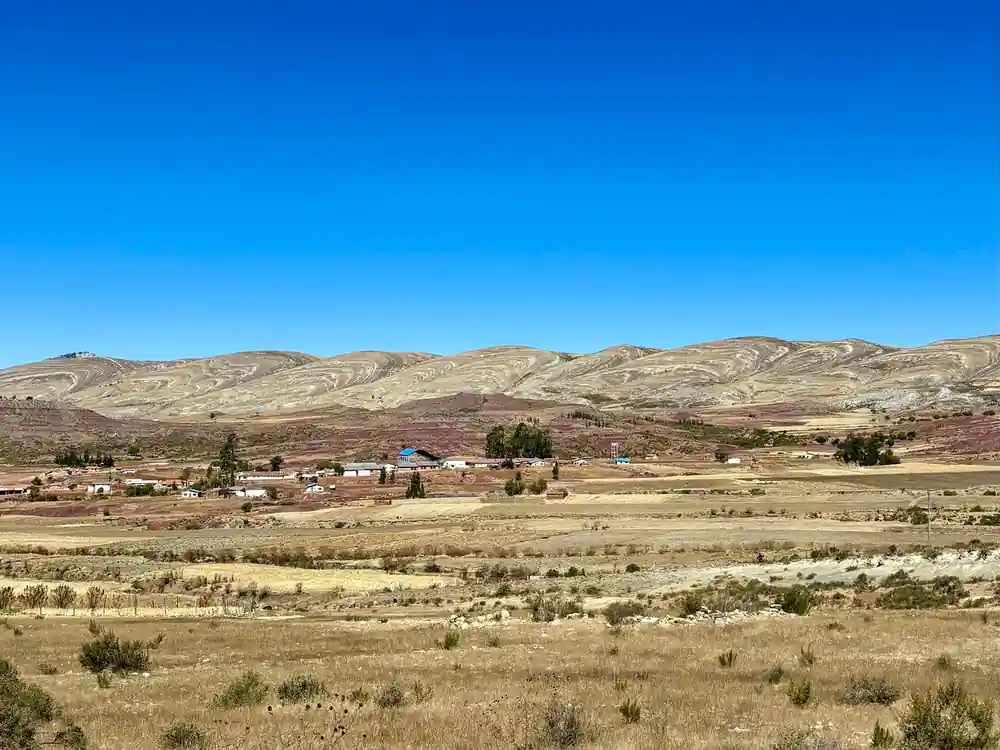
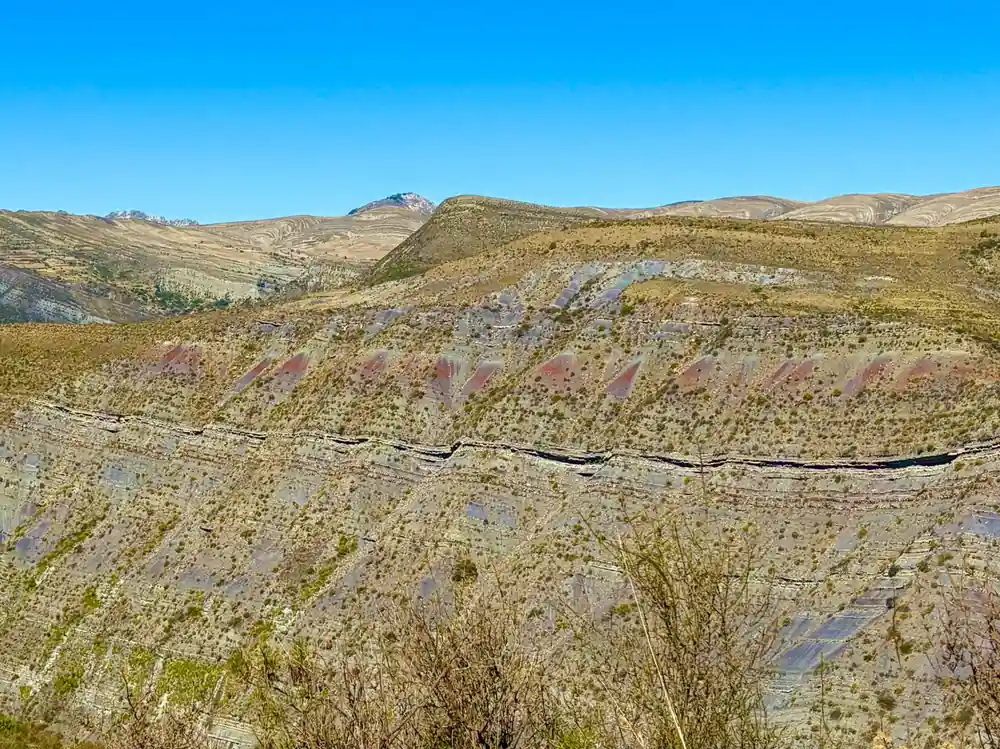
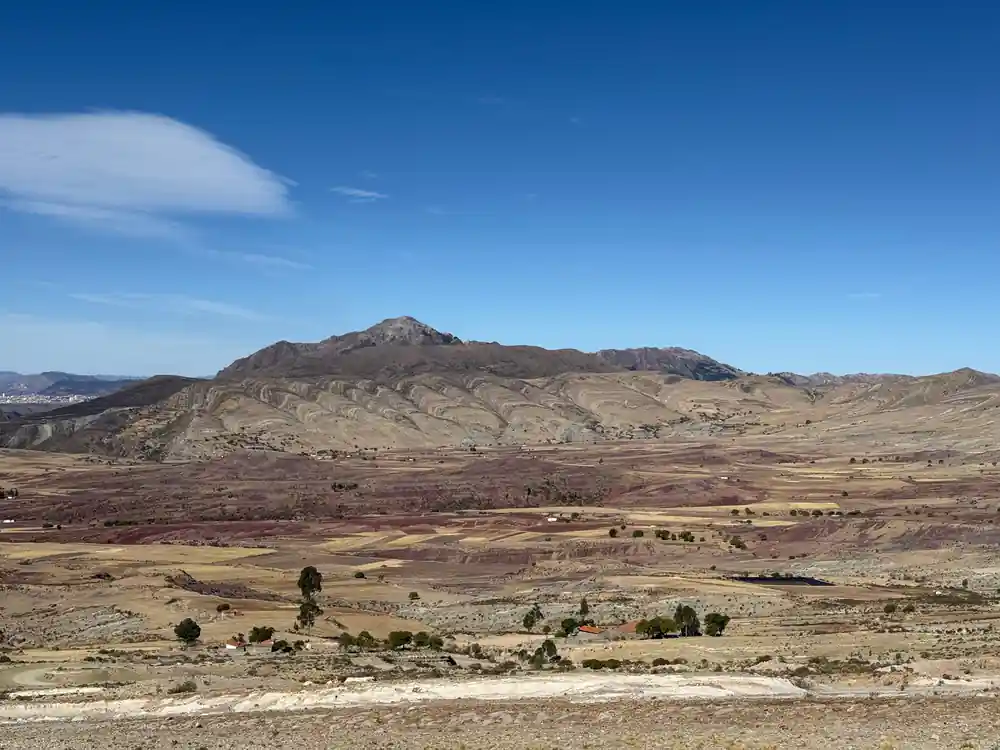
Tilted rock beds run across the crater country above the Maragua valley
Why the Descent Helps, and What It Does Not Fix
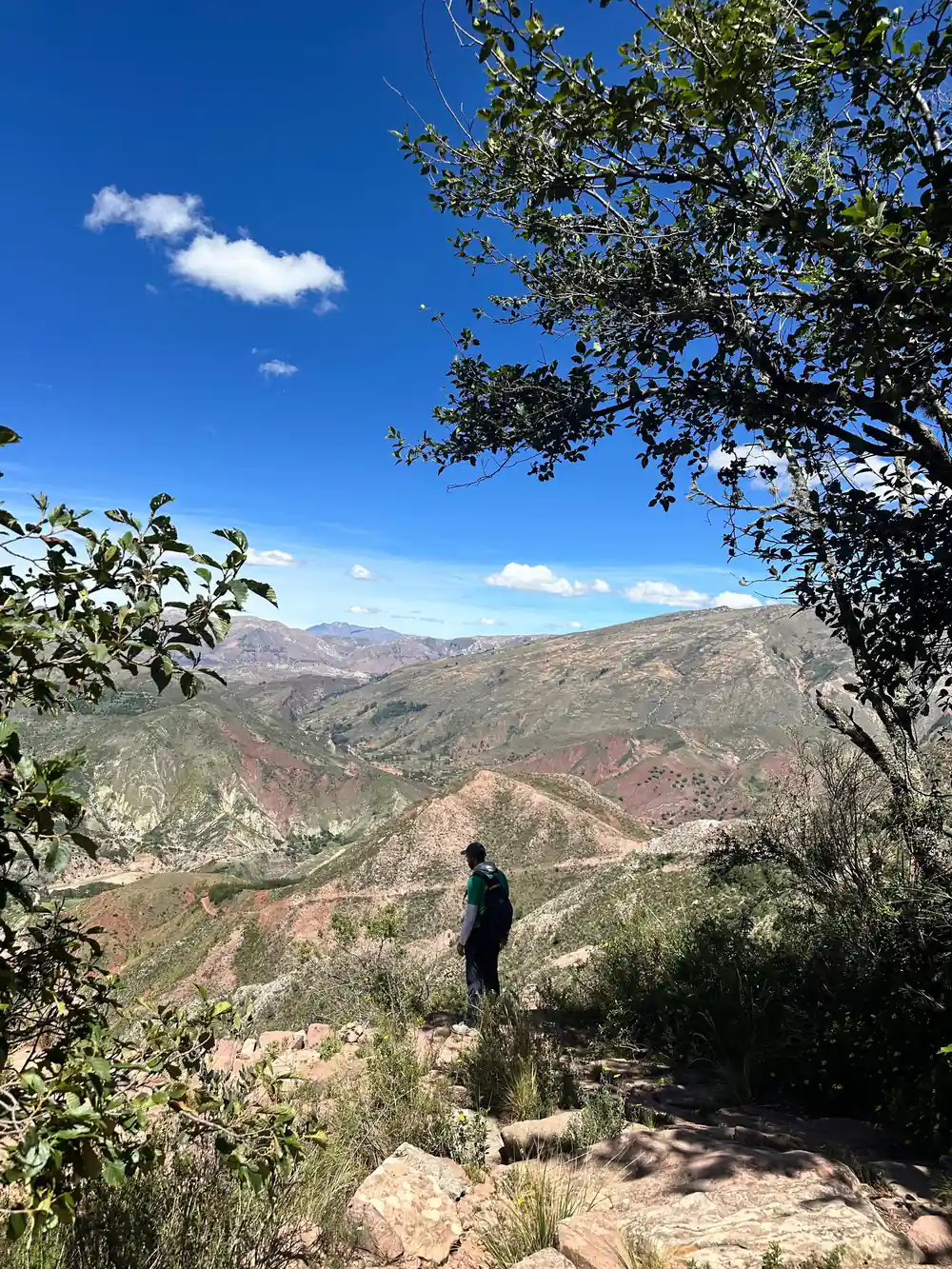
The route starts behind the chapel at Chataquila and follows a pre-Hispanic camino, the Inca trail of Chataquila, downhill for 6 km.[1] A long opening descent is easier on the lungs than a climb would be, and harder on the legs. Old stone steps, dusty switchbacks and loose gravel ask for shorter strides, bent knees and a little patience, especially in the second half when tiredness sets in. Poles earn their place here, and slowing down early is the other trick that saves knees.
What the descent does not fix is the height itself. Maragua village on the crater trek is listed at 3,100 metres above sea level.[3] Later the walk from Maragua continues down to Niñu Mayu, where around 100 dinosaur footprints can be found.[1] You are high, dry and under a strong sun even when the path points downhill. Treat altitude as the background condition of the whole day, not a hurdle you clear at the trailhead, and keep drinking on the easy stretches as well as the hard ones.
Acclimatising in Sucre Before the Trek
Sucre sits at around 2,810 metres above sea level,[2] high enough that many people notice it in their first days. Time is the main medicine. A calm arrival, gentle walking, plenty of water and early nights will do more for your trek than any supplement, and the body adjusts fastest when it is rested. If you are coming up from the lowlands, or off a long overnight bus, plan the crater day for later in your stay rather than sooner. Keep the late nights for after the crater, when the walking is behind you.
Coca tea, soup and starchy meals are the local standbys, and none of them are a cure for altitude. Avoid stacking long travel days back to back, eat regularly even when you are not hungry, and go easy on alcohol for the first nights. Sleep, food and water are unglamorous, and they are exactly what most people get wrong. The trek itself is listed at 10 hours with pickup included,[4] which is a full day out, so an early night beforehand is worth more than one more museum.
from US$95
The crater and Inca trails day trek is listed from US$95 and runs 10 hours, with pickup included and free cancellation.[4]
How Fit You Need to Be for the Maragua Trek
This is a long day out rather than an expedition. The 1-Day Trek in the Crater of Maragua and Inca Trails is listed at 10 hours and from US$95, with pickup included and free cancellation up to 24 hours in advance.[4] If you can walk for several hours on uneven ground, carry a small pack and handle steps in both directions, you have the base you need. The 6 km downhill on the old camino is the part most people remember in their legs the next morning.[1]
Poles help on loose stone, and shoes with real grip matter more than boots with a story. Keep the pack light, wear layers you can shed, and let yourself sit out a stretch if the day turns hot. Fitness is a smaller part of this route than most people assume. Pace, water and a decent night of sleep will carry you further than any training plan squeezed into the week before. If you are unsure, walk a few hills around Sucre first and see how your body answers.
The Sun, Which Nobody Warns You About Enough
Sucre enjoys what locals sometimes call eternal spring, with daytime highs between 20°C and 23°C year-round.[2] That pleasant number hides a lot. At this height the sun works through dry, thin air, burns skin faster than the temperature suggests and makes shade feel like a different season. A brimmed hat, long sleeves, sunglasses and sunscreen you actually reapply are the cheapest comfort on the trail. The back of your neck is the spot everyone forgets.
Mornings and evenings are cool, so layers beat one heavy jacket. May to October is ideal for visiting Sucre and the high-altitude trekking regions of the Bolivian Andes, with clear skies and mild conditions.[5] The wetter months bring cloud, greener slopes and mud on the downhill sections. Dust on the descent is another small argument for sunglasses, and a cloth or buff earns its space in your bag on windy afternoons.
If You Feel Unwell on the Trail
Headache, nausea, dizziness and unusual breathlessness are the signals to watch, and mild versions of them are common on a first high day. The useful response is boring: slow down, drink water, eat something, find shade and tell your guide. The 1-day trek is led by a live tour guide who speaks Spanish and English,[4] and speaking up early is far easier than waiting to see whether it passes on its own. Nobody thinks less of you for saying something.
If symptoms get worse instead of easing, let the guide decide whether to turn back towards lower ground, and take that decision seriously if it comes. Dehydration, sun and missed meals can all imitate altitude trouble, so fix the simple things first: water, food, shade, a slower pace. Not far from Maragua village there is a set of waterfalls known as La Garganta del Diablo, the Devil's Throat,[8] a reminder that water shapes this landscape as much as height does.
Altitudes on the Maragua crater trek
Every value here comes from the cited facts: Sucre[2], Chataquila and Maragua[3].
What the crater tours cost
From prices in US dollars for the cited listings, and no separate child prices are stated in them:[4][6][7][9].
When to walk into the crater
Acclimatising, step by step
Arrive and settle
Give yourself time in Sucre before the trek rather than heading out the morning after you land or step off a night bus.
Walk a little each day
Gentle city walks and a few short climbs show you how your body answers the height.
Water, food, sleep
Drink more than usual, eat regular meals, and take it easy on alcohol during your first nights in the city.
Pack for the day
Layers, a hat, sunscreen, water, snacks and shoes with grip for the loose downhill sections.
Start the trek steady
The ride to the Chataquila trailhead takes about 1.5 hours, so eat breakfast and use the drive to settle.[1]
Descend with care
The old camino drops downhill for 6 km; shorten your stride and let your knees bend on the steeper steps.[1]
Walk the old Inca road down into the Maragua crater
from US$95Reserve now & pay later