If you read nothing else
- A 10-hour trek from Sucre to the Maragua crater and the Inca trail of Chataquila, with pickup and a live guide in Spanish and English.[1]
- Crater and Inca trail days start from US$95 and US$106 depending on the route and the group size.[1][2]
- Sucre sits at around 2,810 metres with daytime highs of 20°C to 23°C year-round, and the trek reaches Maragua at 3,100 metres.[3][4]
- May to October is ideal for visiting Sucre and other high-altitude cities and trekking regions in the Bolivian Andes.[5]
- City walking tours start from US$14, weaving classes from US$22 and Uyuni salt flat trips from US$185.[6][7][8]
- Top choice Crater trek and Inca trails from US$95 Duration10 hours[1]Rating4.76 from 100 reviews[1]GuideSpanish, English[1]CancellationFree up to 24 hours before[1] Check availability
- Two-day Inca trails trek from US$125 Duration2 days[9]Rating4.95 from 12 reviews[9]GuideEnglish, Spanish[9]CancellationFree up to 24 hours before[9] See this tour
- Sunrise, crater and cave art from US$106 Duration10 hours[2]Rating4.66 from 16 reviews[2]GuideEnglish, Spanish[2]CancellationFree up to 24 hours before[2] See this tour
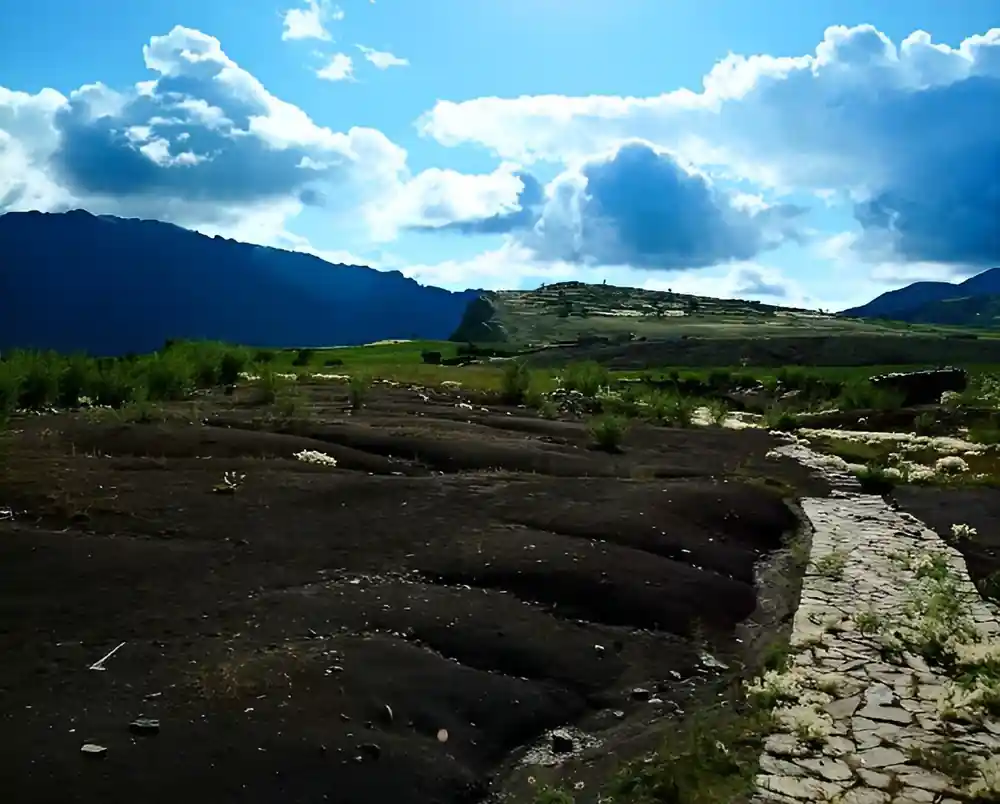
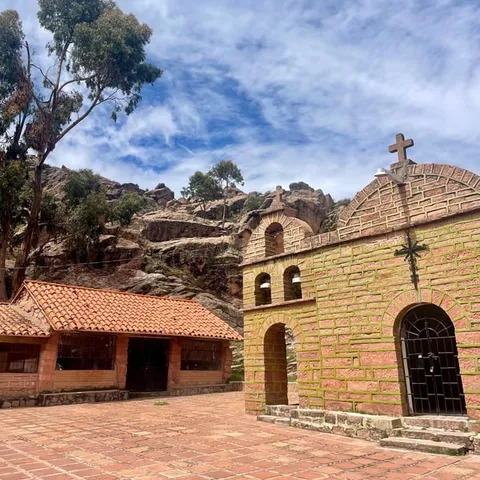
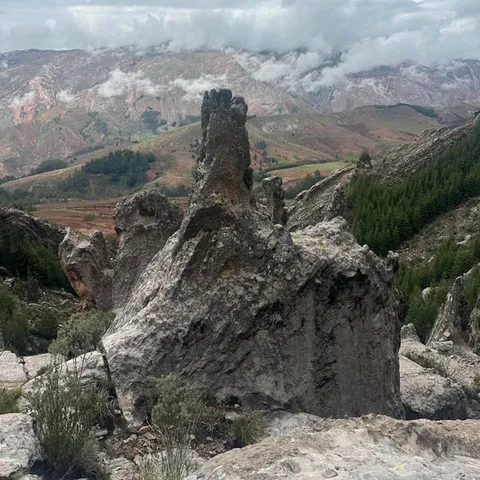
The Andes (La Paz, Sucre, Potosí) : May to October is ideal for visiting Bolivia’s high-altitude cities and trekking regions, with clear skies and mild conditions.
Is the Maragua crater day trek worth it?
Getting there and back
- Pickup is included on the crater day trek, with details shown when you check availability.[1]
- Sucre to the Chataquila trailhead is about 1.5 hours by road.[10]
- Free cancellation up to 24 hours in advance for a full refund on the crater trek.[1]
- Reserve now and pay later is offered on the crater day trek.[1]
What a Maragua crater day trip from Sucre looks like
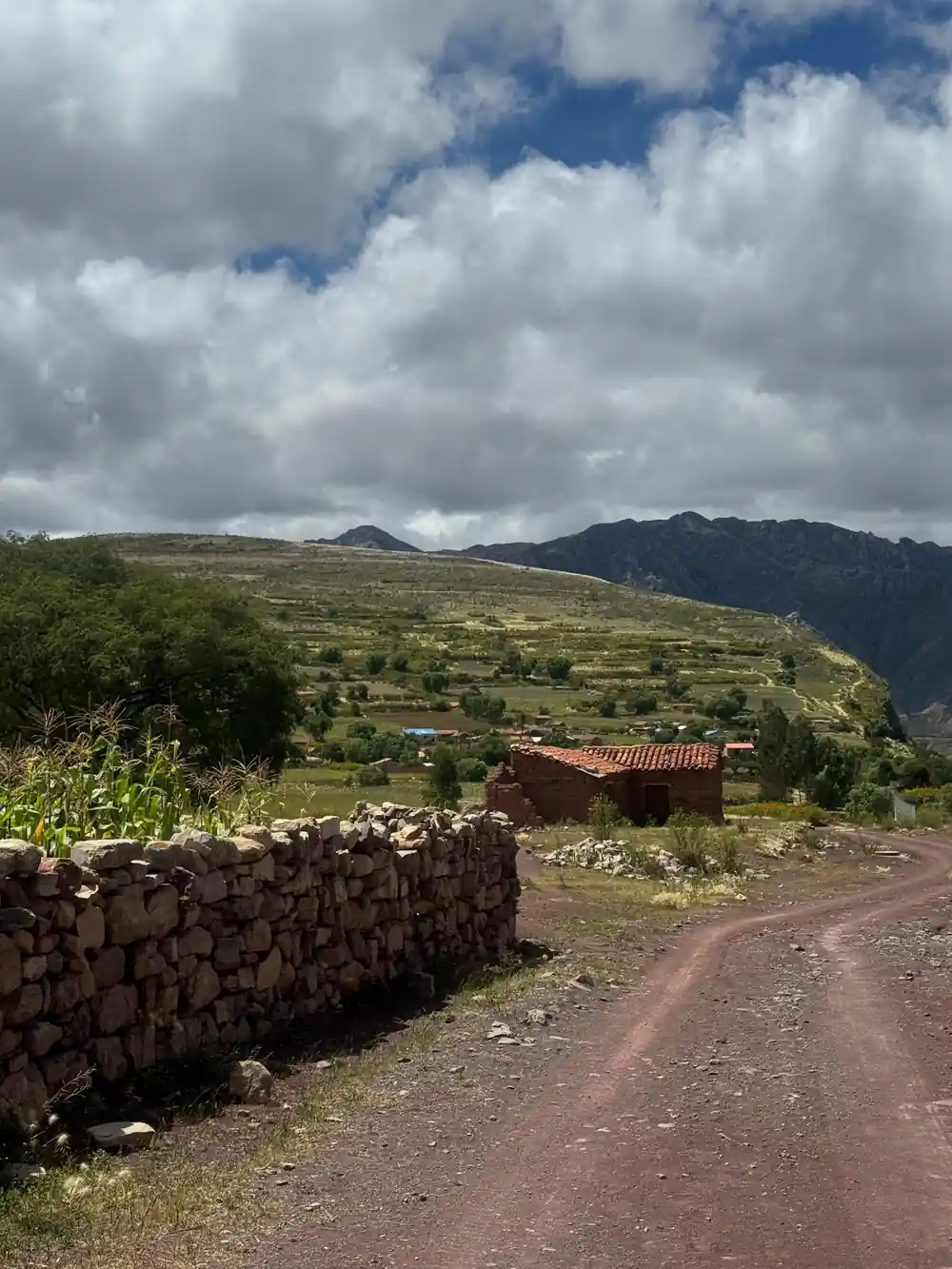
Crater trips normally leave Sucre early and climb west out of the city into open highland country, past small farms and eucalyptus. The ride from Sucre to the Chataquila trailhead, the starting point of the Maragua Crater hike, takes about 1.5 hours.[10] From the chapel beside the road, the route drops onto a pre-Hispanic camino, also known as the Inca trail of Chataquila, and follows it downhill for 6km.[10] In places the paving underfoot is the original road surface, laid in steps and ramps that swing around the side of the valley.
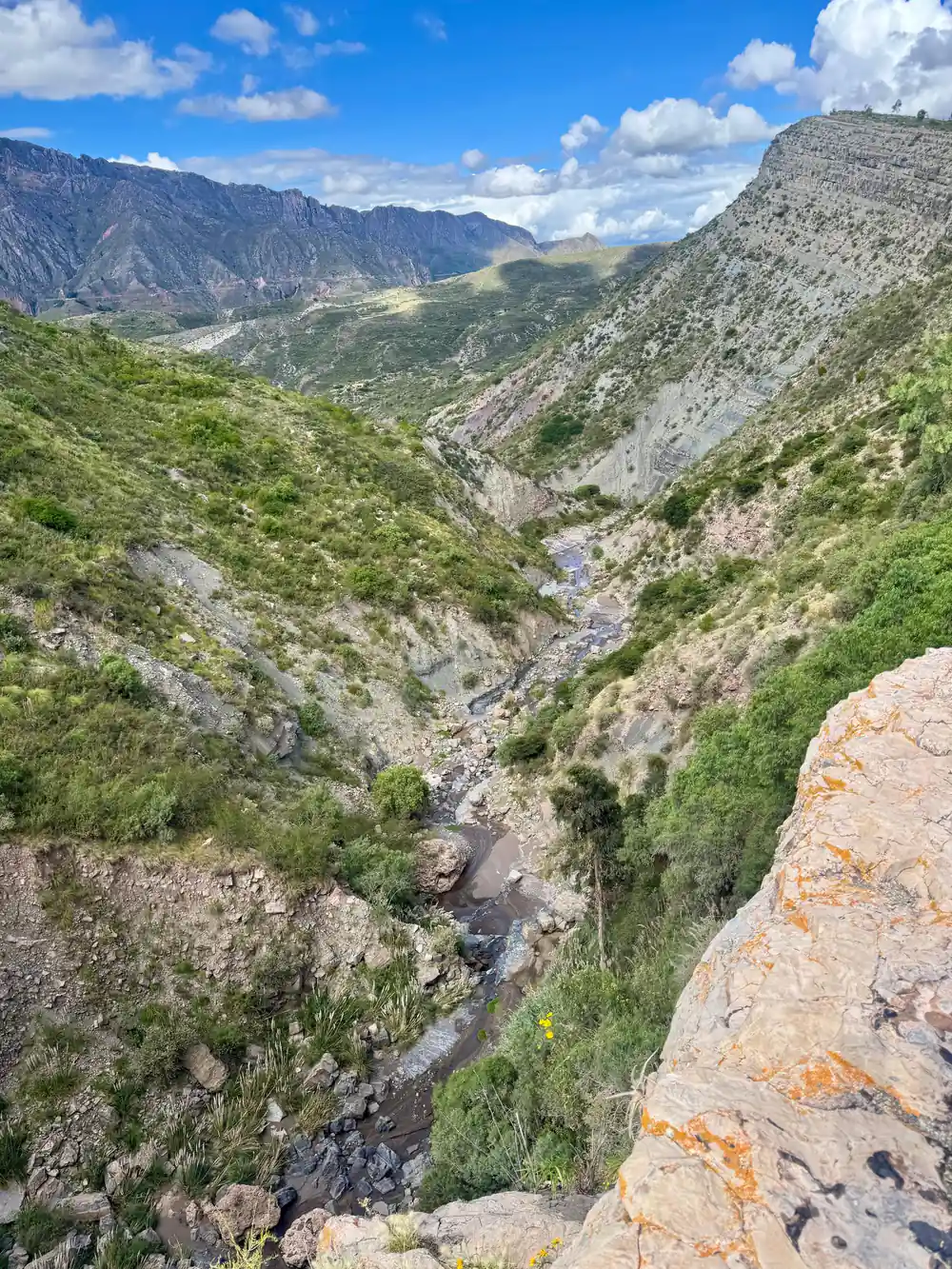
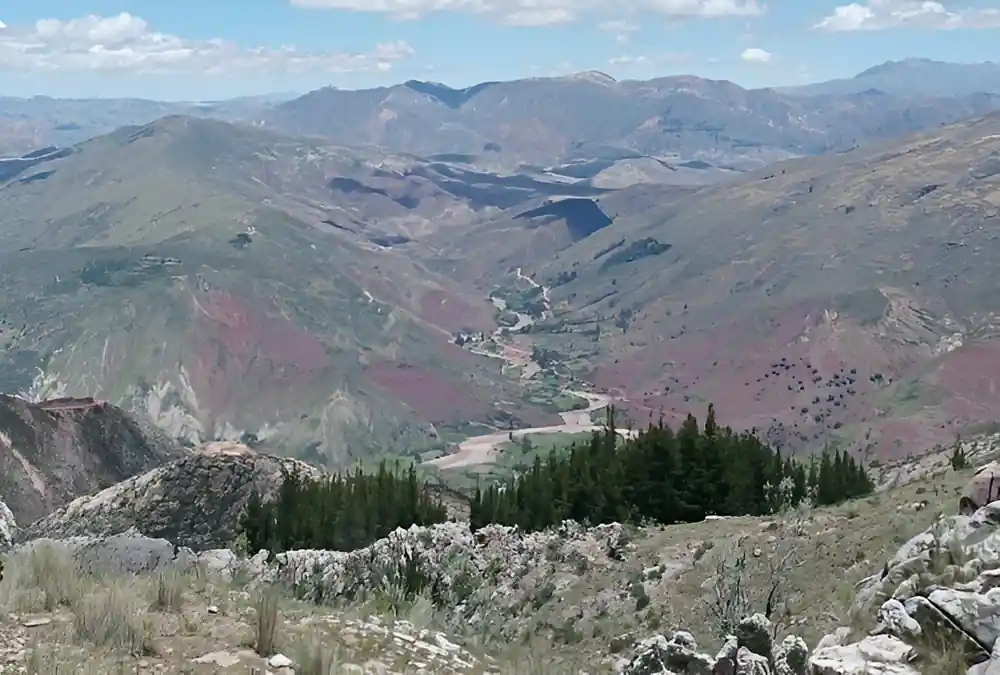
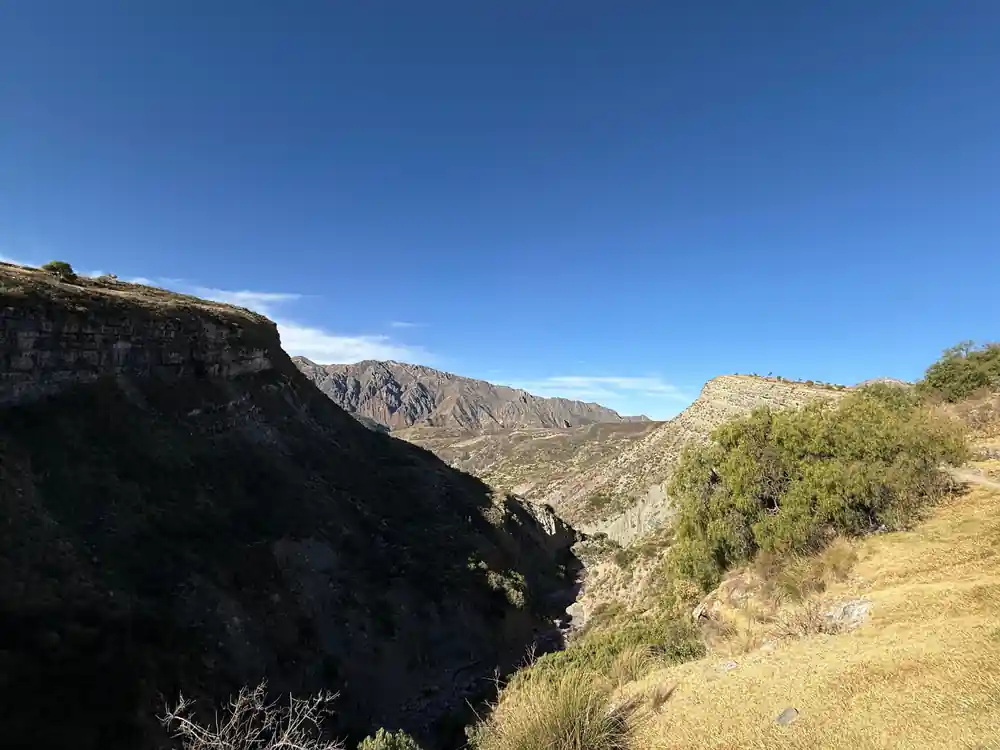
The landscape is the reason people come. The Maragua Crater is not volcanic and was formed by thousands of years of erosion.[11] Coloured rock walls fold around a green bowl of small fields, the path is wide and stony, and the air warms quickly once the sun clears the ridge. Maragua, the village on the crater floor, is listed at 3,100 metres above sea level.[4] Fruit trees, a small church and a scatter of adobe houses make it a good place to rest and eat.
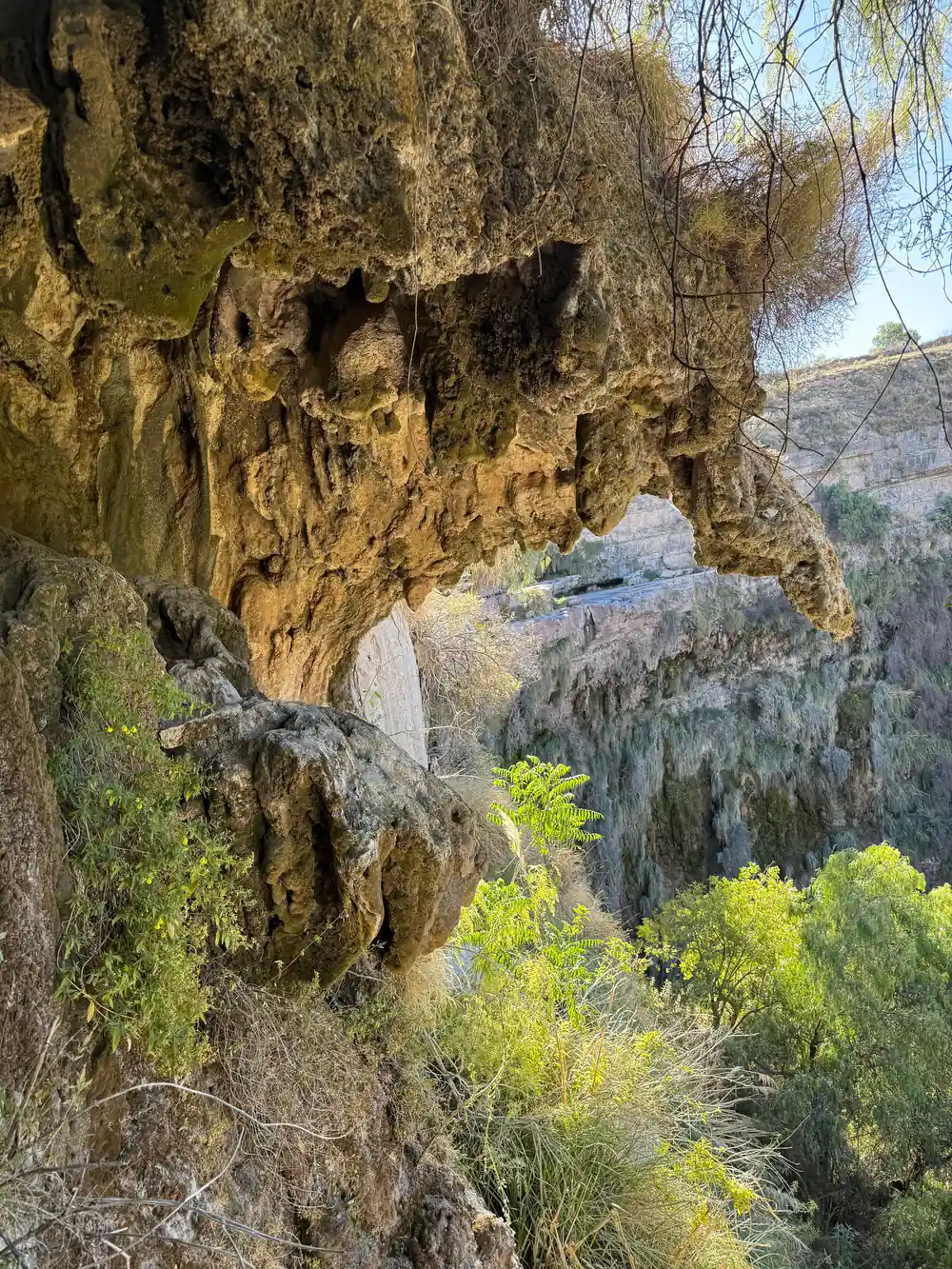
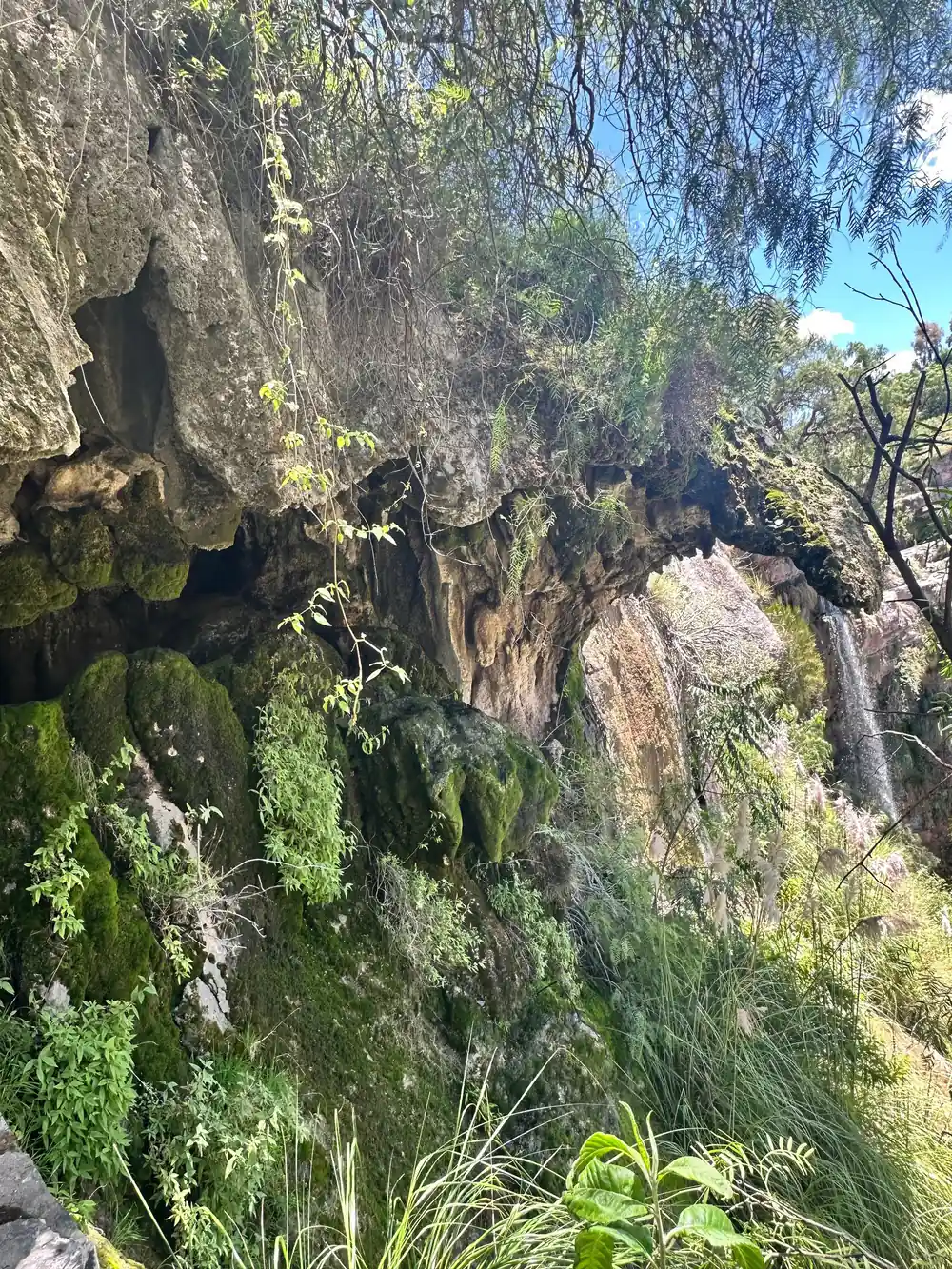
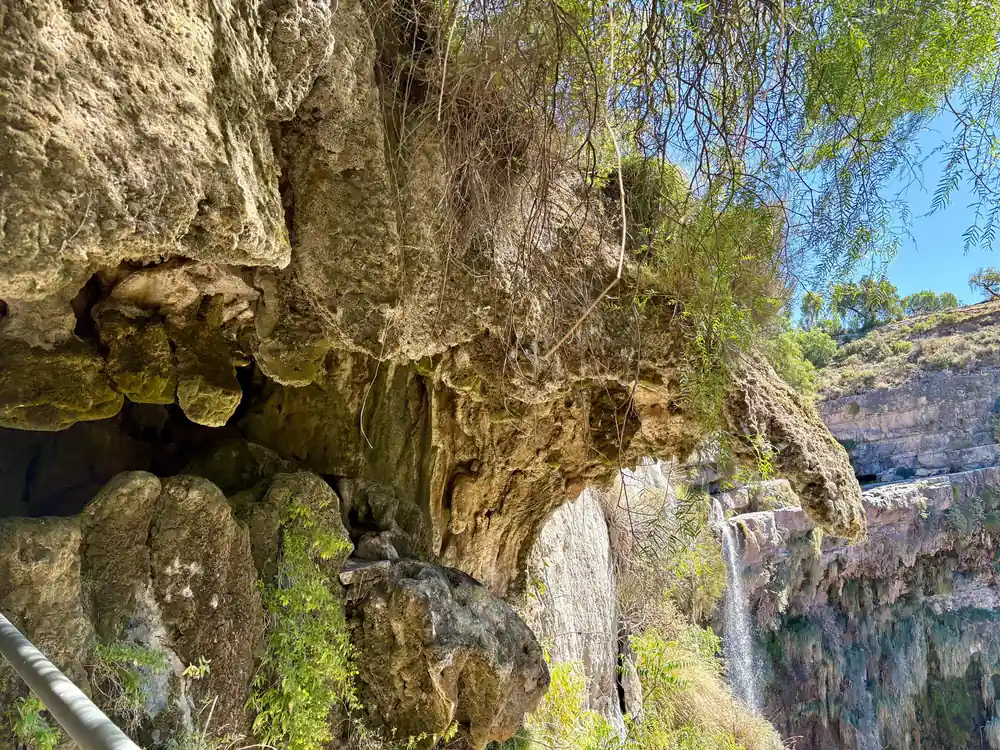
Not far from the village is a set of waterfalls known as La Garganta del Diablo, the Devil's Throat.[11] Carry on past Maragua and the walk continues down to Niñu Mayu, where around 100 dinosaur footprints can be found.[10] Put together, the high Inca road, the crater floor and the fossil tracks are what make this the standout among Sucre day trips, and the reason many travellers build a whole itinerary around a single day out.
The crater trek this site books, step by step
The trek booked from this site is the Sucre: 1-Day Trek in the Crater of Maragua and Inca Trails. It lasts 10 hours, and starting times are shown when you check availability.[1] The live tour guide speaks Spanish and English.[1] Pickup is included, with details again shown when you check availability,[1] and prices start from US$95.[1] It is rated 4.76 from 100 reviews.[1]
The listed route runs from the pickup location by Jeep or SUV to Chataquila, then down the Camino del Inca to Chaunaca, and on by Jeep or SUV to the Maragua Crater before the return drive.[1] That means the walking is one way, with the vehicle waiting at the bottom rather than sending you back up the hill. You can reserve now and pay later, and free cancellation applies up to 24 hours in advance for a full refund.[1]
The walking itself is gentle, mostly on old stone steps and farm tracks, with plenty of pauses for photos and for the guide to explain what you are looking at. Carry more water than you think you need, wear a hat and sunscreen, and keep a light layer handy for the wind on the crater rim. Shoes with tread matter more than heavy boots here, since the Inca paving can be smooth and dusty.
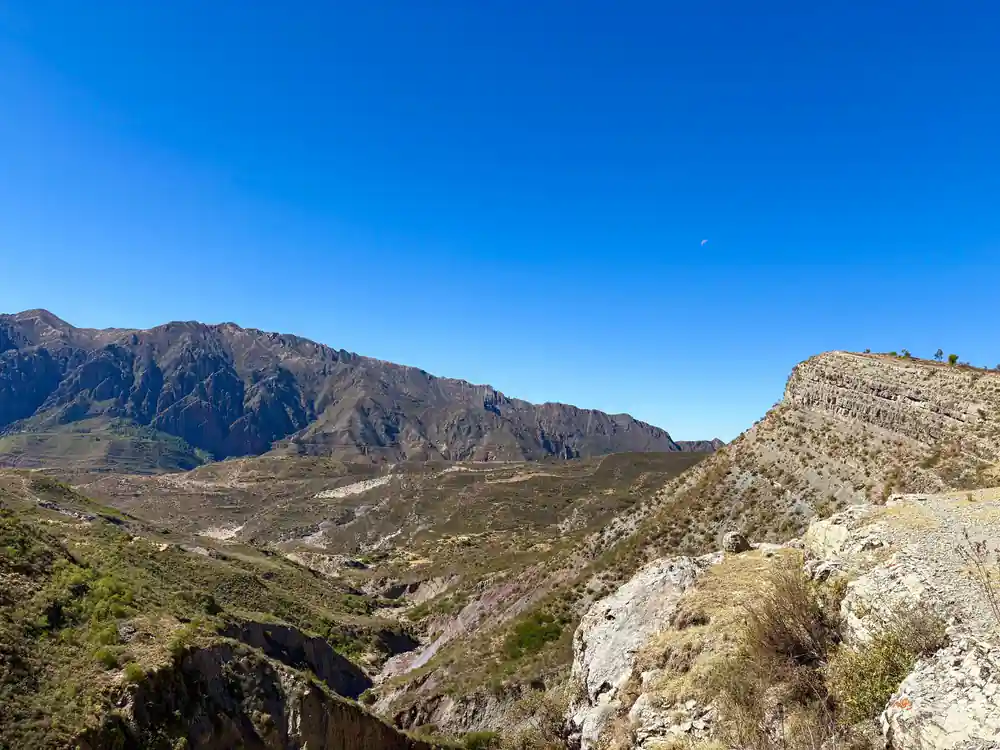
Rock beds tilt across the highland above the Maragua crater
Altitude and weather on a Sucre day trip
Sucre sits at around 2,810 metres above sea level and has what locals call eternal spring, with daytime highs between 20°C and 23°C year-round.[3] That means mild city mornings, cool evenings, and a body that is already partly used to thin air before you start walking. If you have just landed from lower ground, give yourself a day or two in town before you book anything strenuous.
The trek takes you higher in places, and Maragua is listed at 3,100 metres above sea level.[4] Move slowly on the stone descent, eat a light breakfast, keep sipping water, and tell your guide straight away if a headache or dizziness sets in. Turning back early is always the sensible call, and guides on this route are used to adjusting the pace.
Across the region, May to October is ideal for visiting Sucre and other high-altitude cities and trekking regions in the Bolivian Andes.[5] Outside those months you can still walk here, but build slack into your plan, start early, and pack a rain shell and a warm mid layer whichever month you choose. Afternoon cloud is common on the ridge, and the temperature drops quickly once the sun goes.
Other crater and Inca trail tours from Sucre
If one day in the crater leaves you wanting more, a two-day trek in the Inca Trails and the Crater de Maragua starts from US$125, is limited to 10 participants and is rated 4.95 from 12 reviews.[9] The guide speaks English and Spanish, and you skip the ticket line.[9] Two days gives you a slower pace and more time in the valley.
A sunrise version starts from US$106 and adds old cave paintings at Incamachay and Pumamachay to a crater visit, running for 10 hours with a group limited to 12 participants.[2] The guide and transportation scores both sit at 5, while value for money is 3.8.[2] It suits anyone who wants rock art and early light rather than the longest walk of the week.
A separate day trip is built around the Maragua crater and the dinosaur footprints, from US$159 with a live guide in English and Spanish.[12] It suits a small group that wants the footprints to be the focus of the day rather than a stop on the way home.
from US$95
The 1-Day Trek in the Crater of Maragua and Inca Trails runs for 10 hours with pickup included and a live guide in Spanish and English.[1]
Things to do in Sucre Bolivia between trail days
Sucre itself rewards a slow day. A walking tour of the historic centre starts from US$14 and lasts 3 hours with a live guide in English and Spanish, moving between colonial towers, tunnels and viewpoints.[6] A city highlights walk, also 3 hours, also from US$14, is rated 5.00 from 12 reviews.[13] Both are small group tours limited to 10 participants.[6][13]
For something hands-on, ASUR initiated its Indigenous Art Revival Program in 1985 to revive traditional textiles and generate additional income for the indigenous Jalq'a and Tarabuco communities.[14] Jalq'a weaving classes in Sucre start from US$22, are limited to 4 participants and skip the ticket line.[7] It is a gentle way to spend an afternoon and to understand the patterns you will see in the markets.
Evenings are easy to fill. A night walking tour in the old city with 3 drinks starts from US$25 and runs 3 hours,[15] and a guided food tour with local tastes starts from US$48 with a group limited to 10 participants.[16] Book these for the evening before your trek rather than after it, so you start the walk rested.
Bigger trips from Sucre: salt flats and the altiplano
Many travellers use Sucre as a base for the salt flats. A Uyuni express from Sucre by bus, round trip, starts from US$299 and runs for 2 days with a group limited to 15 participants.[17] A three-day version with bus transfers starts from US$197.[18] Both are long trips with a lot of road time, so plan them for the end of your stay rather than the middle.
There are variants in the same family, such as a two-day adventure that stops at the train cemetery and Isla Incahuasi from US$185.[8] Two days is the usual length, so budget at least one night away from Sucre.
All of these involve long drives on rough roads, so treat the transfer as part of the experience, bring a neck pillow and snacks, and check the return time before you commit. Salt flat prices are much higher than the crater treks, so many people pick one big trip and keep the rest of their time in and around Sucre.
How to choose and book your Sucre day trips
Decide first how much walking you want. A single crater day fits neatly into a short Sucre stay, while a two-day trek trades a quicker pace for more time on the old camino and in the valley. If you are short on time, pair the one-day trek with a city walk and you cover both the landscape and the colonial core.
Then check the practical details. The crater day trek includes pickup, with details shown when you check availability, and free cancellation applies up to 24 hours in advance for a full refund.[1] Reserve now and pay later is offered as well.[1] Read the listed starting time carefully when you book, and confirm the pickup point with your accommodation the night before.
Pack for a long day outdoors: water, snacks, a hat, sunscreen, a rain shell and shoes with grip for the stone path. Keep a warm layer for the drive home, carry small notes for village stops, and leave a little room in your bag in case a weaving class or a market stall tempts you.
From prices for crater and Inca trail tours from Sucre
From prices in US dollars as listed on each GetYourGuide tour page.[1][2][9][12]
What a crater and Inca trail day costs
From prices in US dollars from GetYourGuide listings; the same from price is shown for adults and children where no separate child rate is listed.[1][2][9][12]
When to plan your crater trek
Plan your crater trek
Check your dates
Pick a day early in your stay so you have a backup if the weather turns, and leave the following day free.
Book the trek
Choose the one-day crater trek for the best mix of Inca trail, crater floor and fossil footprints in a single outing.
Sort your pickup
Pickup is included on the crater day trek, with details shown when you check availability, so share your address at booking.[1]
Pack for the altitude
Carry water, a hat, sunscreen and a wind layer, and keep your first hour on the trail light and slow.
Add a city day
Pair the trek with a Sucre walking tour from US$14 or a weaving class from US$22 on another day.[6][7]
Walk the Inca trail into the Maragua crater
from US$95Reserve now & pay later