If you read nothing else
- The 1-day trek in the crater of Maragua and Inca trails runs 10 hours from US$95 with pickup included.[1]
- May to October is listed as ideal for Sucre and the high-altitude trekking regions of the Bolivian Andes.[2]
- Sucre sits at around 2,810 metres above sea level and Maragua is listed at 3,100 metres.[3][4]
- No Maragua listing is sold as a private group right now; the smallest groups are the sunrise trip, limited to 12, and the two-day trek, limited to 10.[5][6]
- The route follows a pre-Hispanic Inca trail downhill for 6km and passes around 100 dinosaur footprints.[7]
- Top choice 1-Day Crater Trek from US$95 Duration10 hours[1]Live guideSpanish, English[1]PickupPickup included[1]CancellationCancel up to 24 hours before[1] Check availability
- Crater and footprints day from US$159 Duration8 hours[8]Live guideEnglish, Spanish[8]PickupNot listedCancellationCancel up to 24 hours before[8] See this tour
- Sunrise and Cave Art from US$106 Duration10 hours[5]Live guideEnglish, Spanish[5]PickupPickup included[5]CancellationCancel up to 24 hours before[5] See this tour
The museum is an integral part of the Indigenous Art Revival Program, initiated by ASUR in 1985. From its beginning, the program mainly aimed at reviving the traditional textiles and generate additional income for the indigenous communities of the Jalq’a and Tarabuco cultures.
Is the Maragua crater trek worth your day?
Read before booking
What to pack
- Sun protection: hat, sunglasses and high-factor cream for the bright high-altitude light.
- A warm layer for the early start and the drive home, when the air cools.
- Sturdy, broken-in shoes with grip for stone steps and loose crater grit.
- Small notes for drinks, snacks and village purchases along the route.
What the Maragua crater actually is
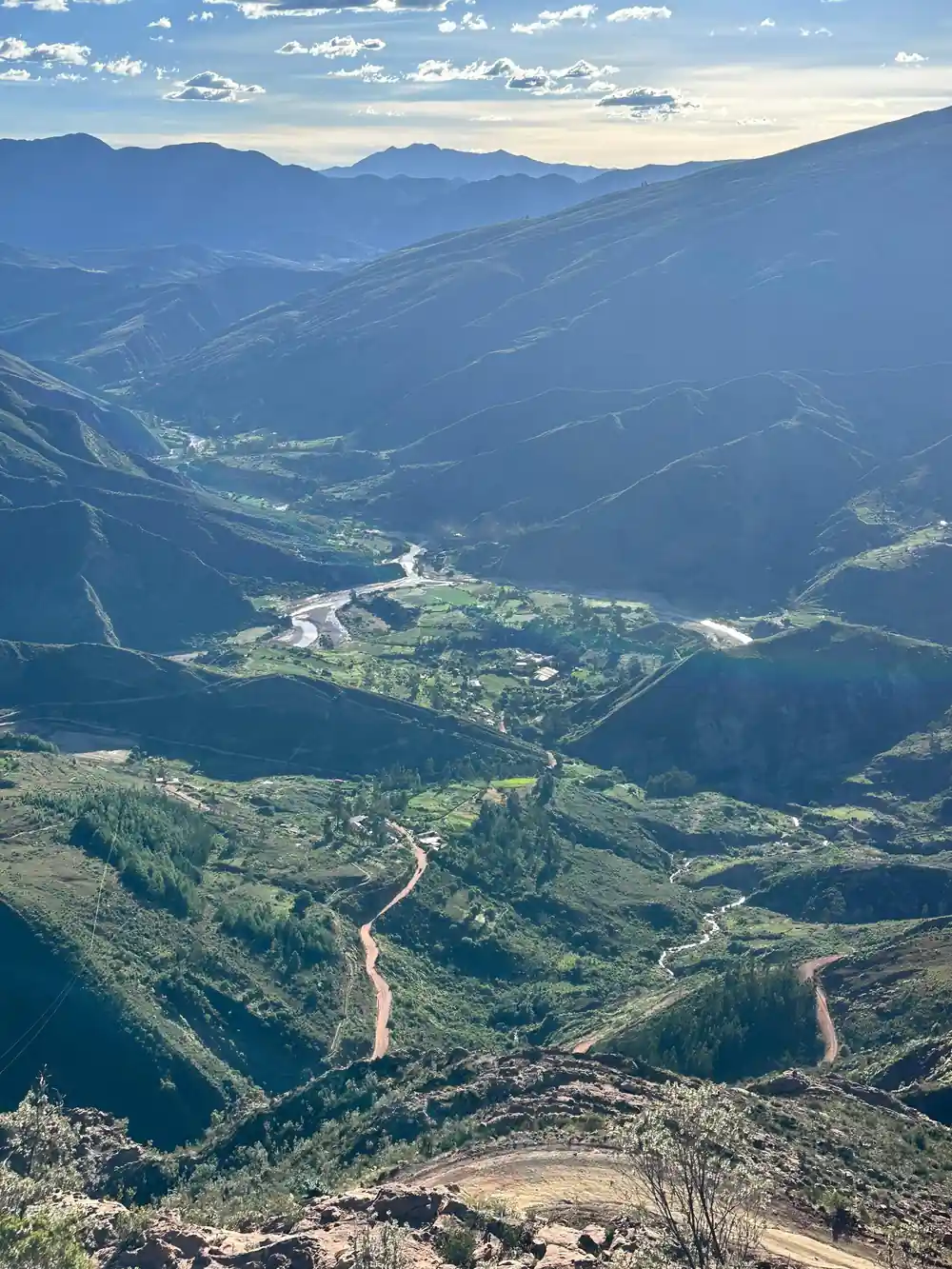
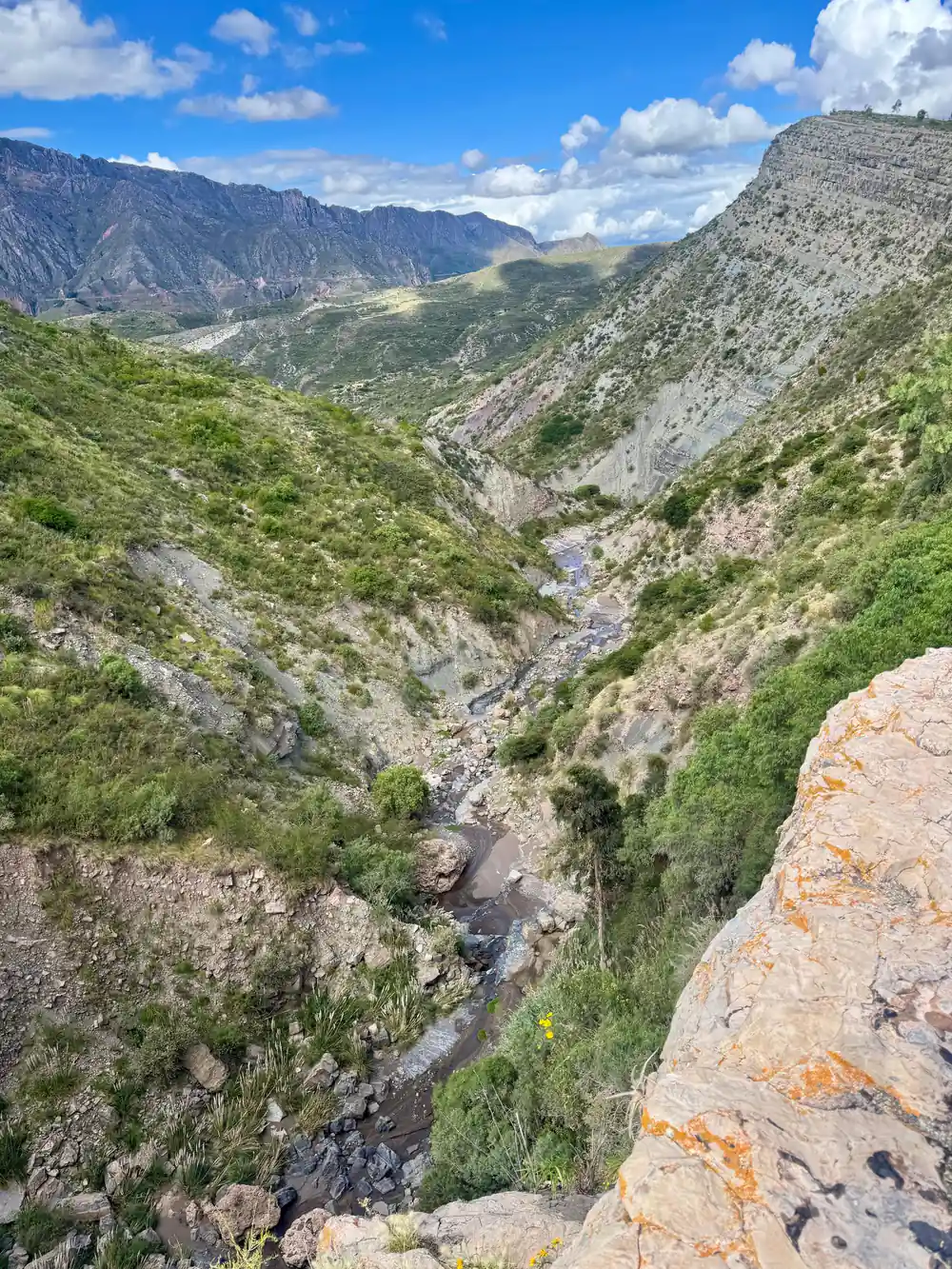
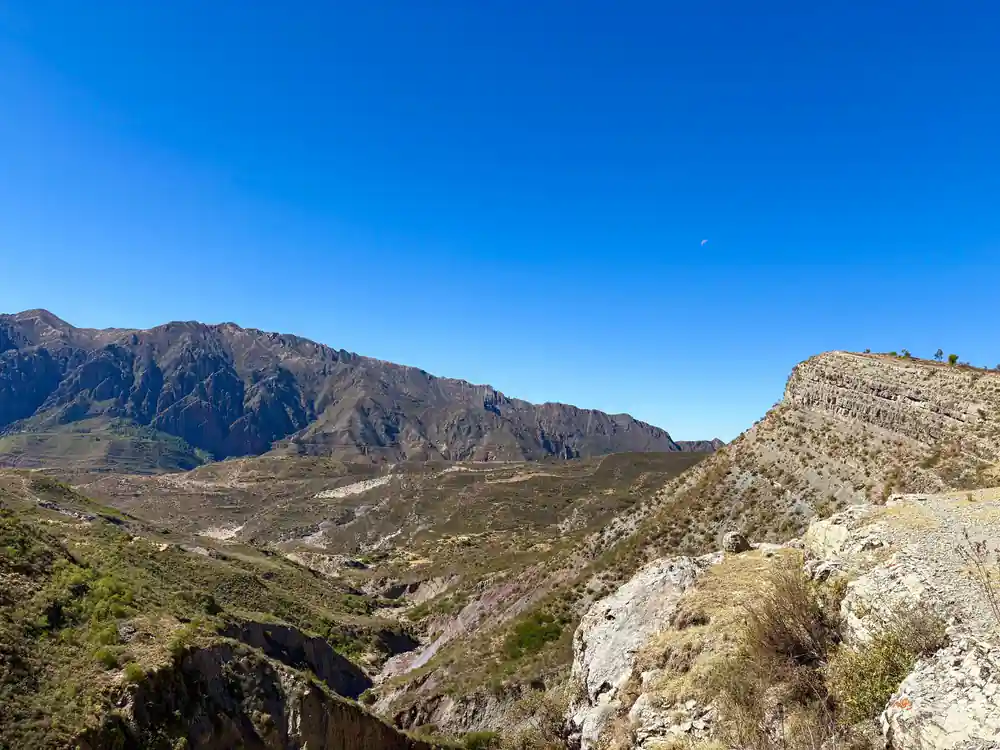
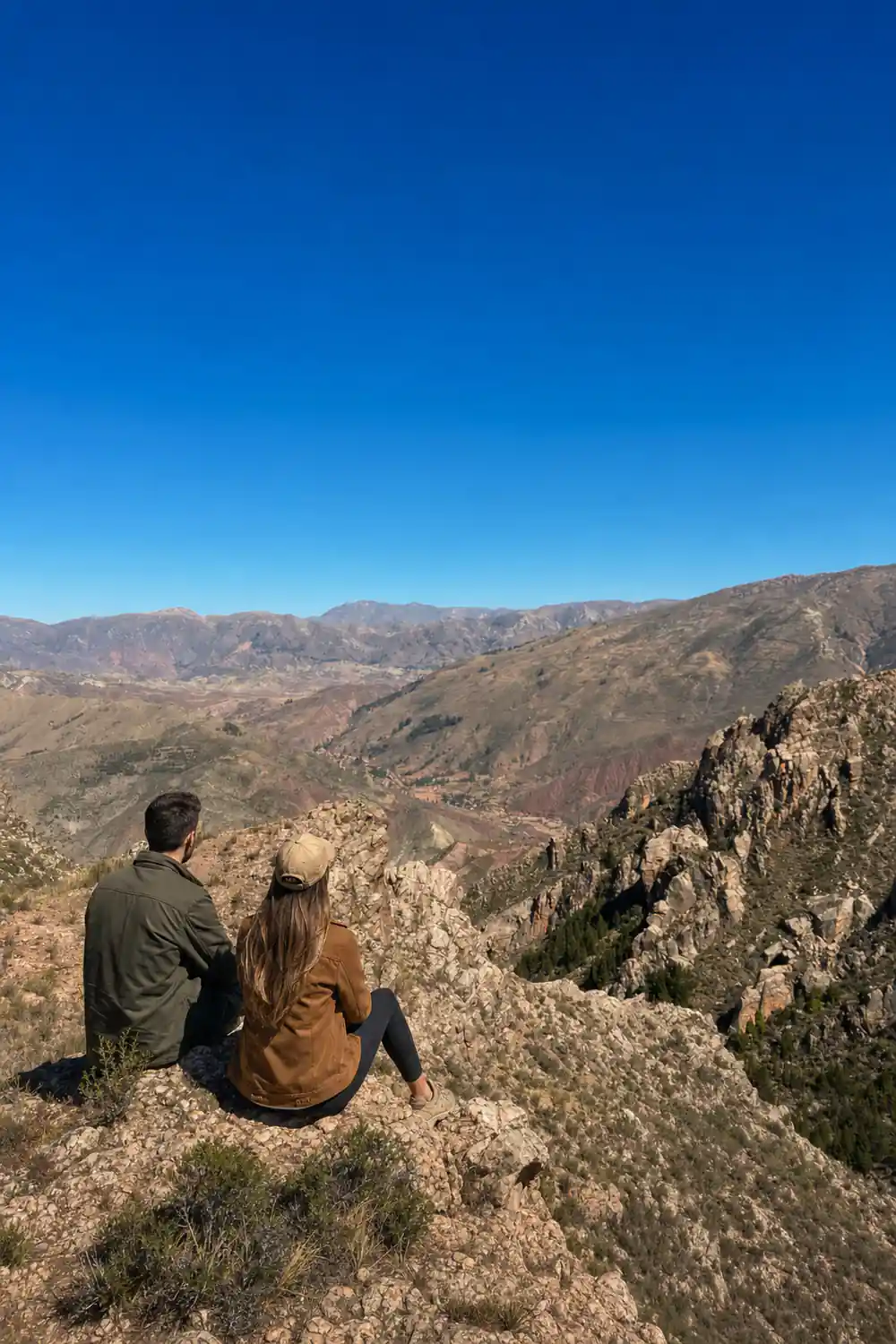
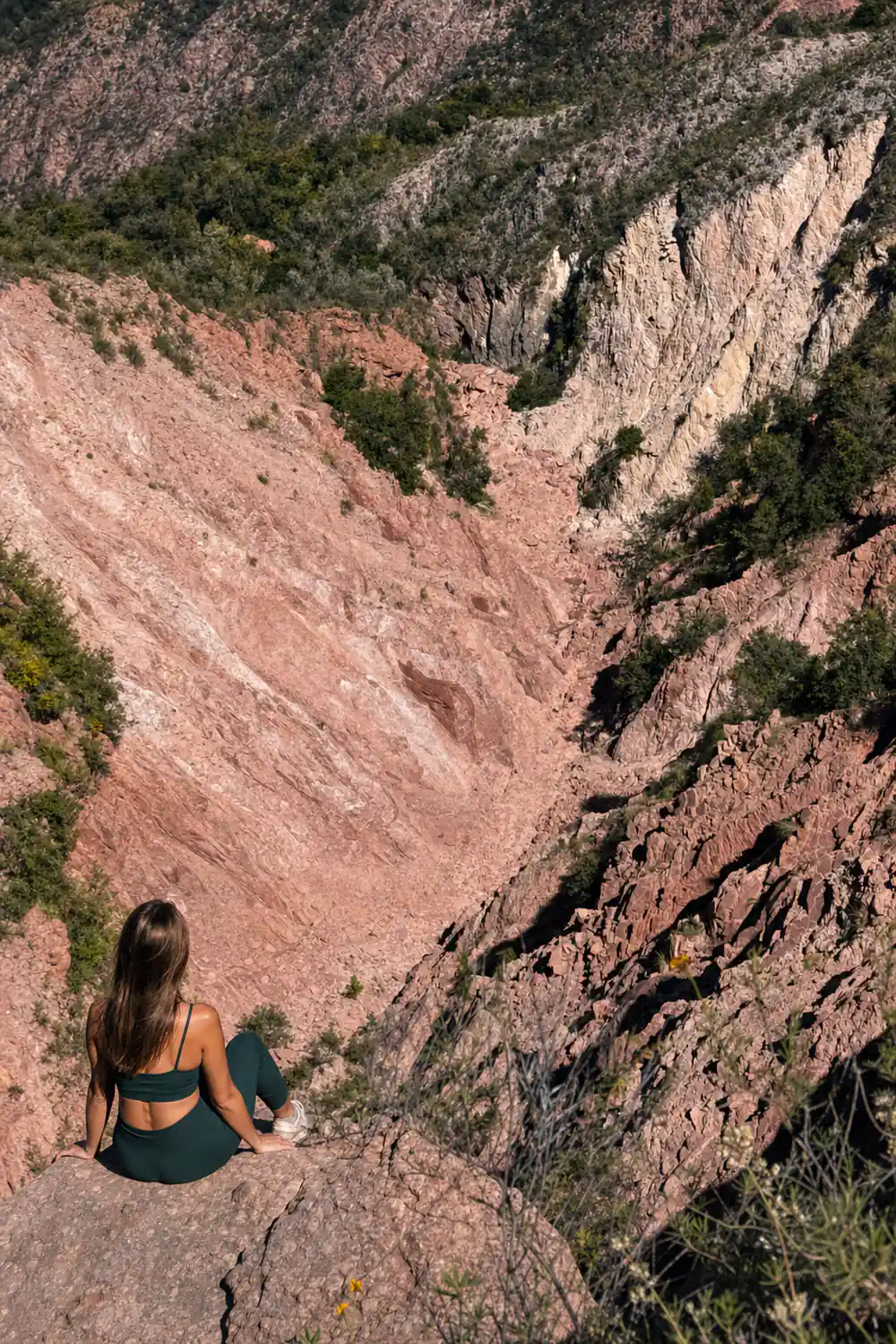
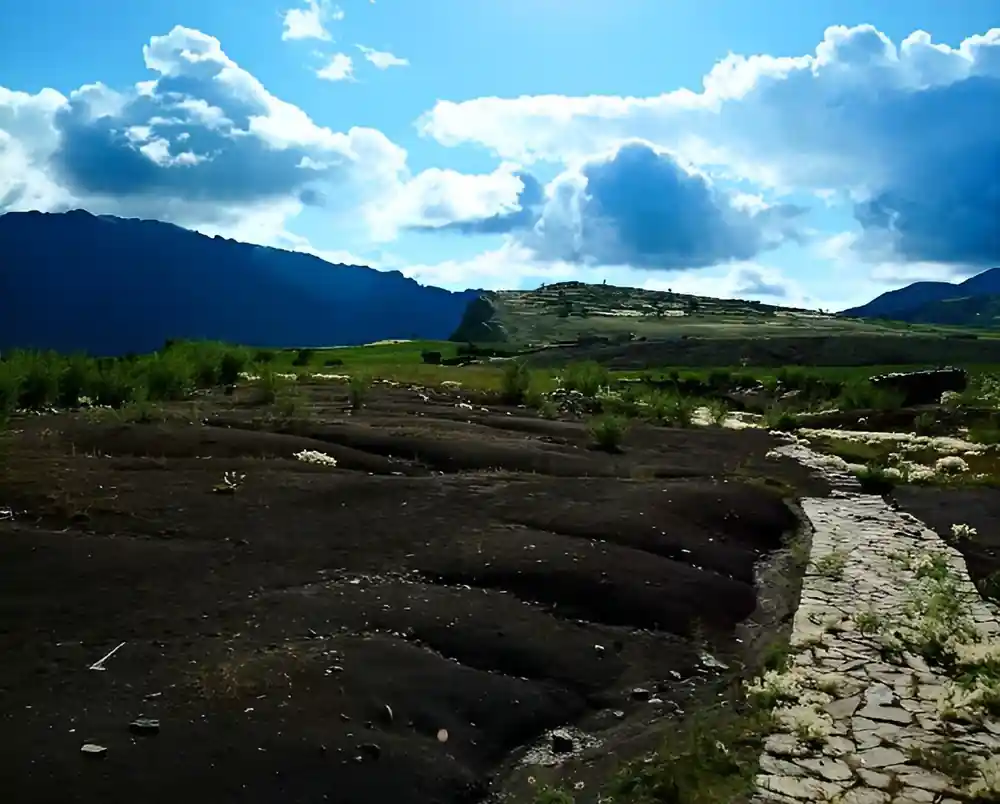
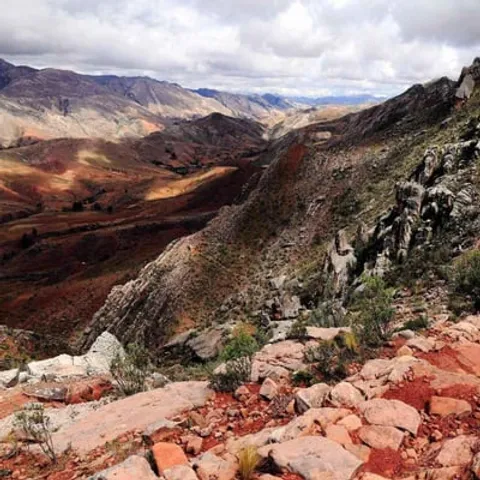
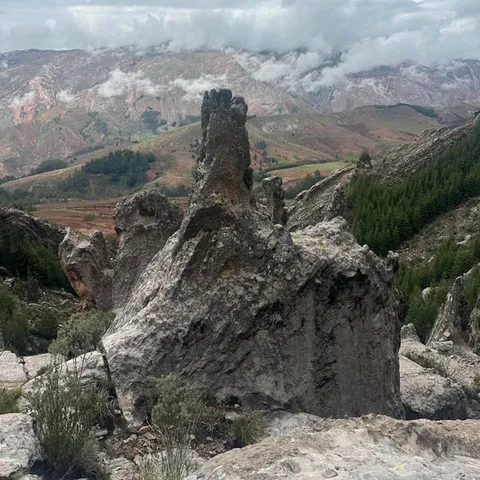
Maragua is not a volcano. The bowl in the hills south of Sucre was formed by thousands of years of erosion, and its walls read as layered, tilted beds of rock rather than ash cones.[9] From the rim it looks like a wide, uneven basin of red and ochre slopes, dark bands running across the rock, green fields and terraces on the floor, and bare ridges receding toward the distant range. The village of Maragua sits at 3,100 metres above sea level inside that landscape.[4] The crater is a shape in the land, not a single photo stop: you walk down into it, cross it, and climb out the other side.
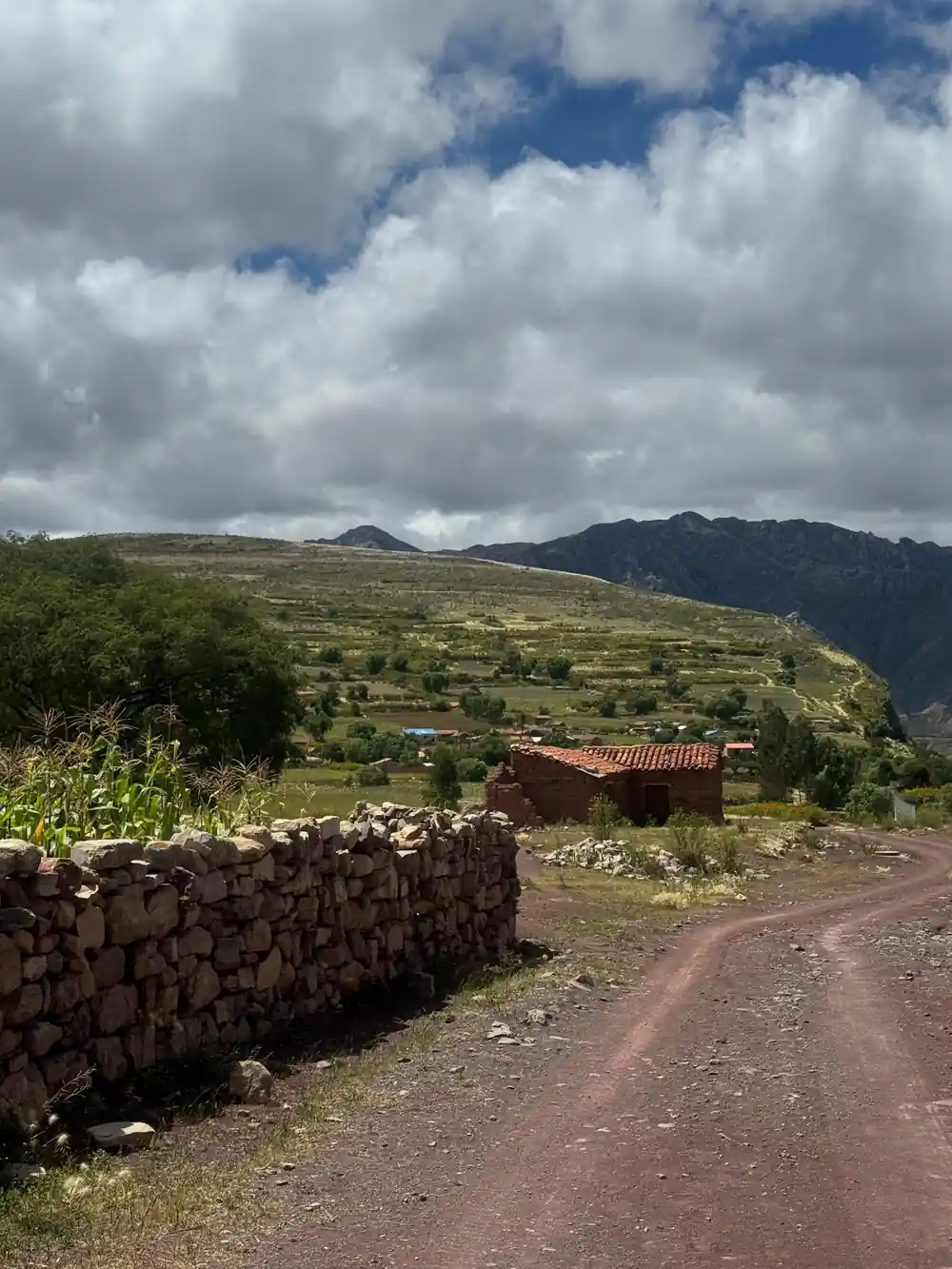
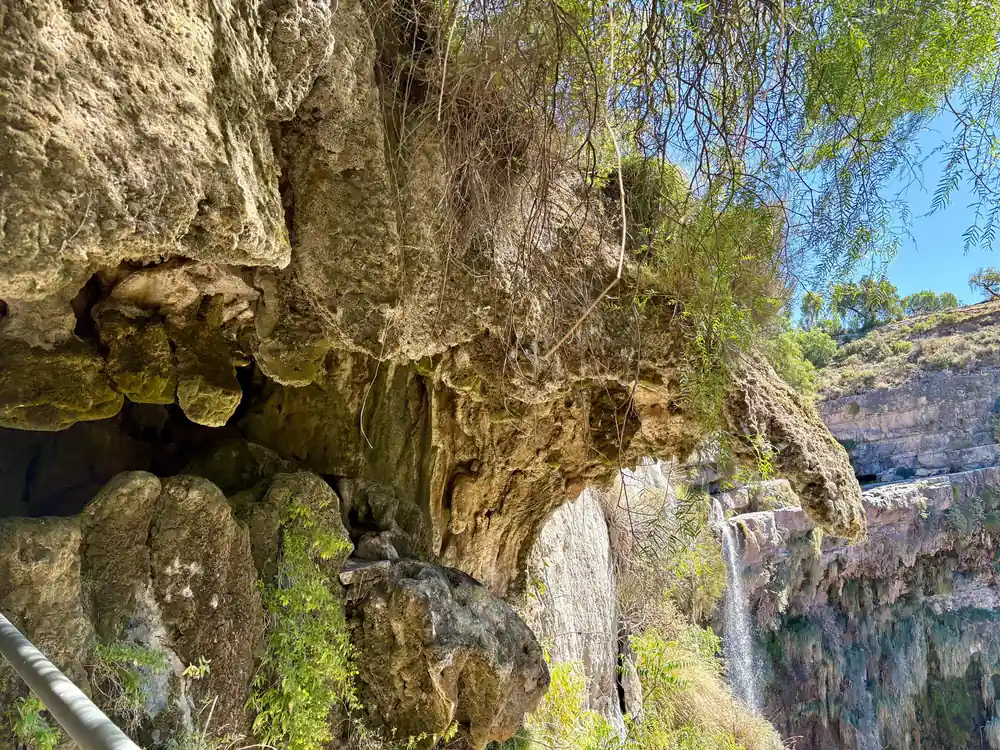
Not far from the village is a set of waterfalls known as La Garganta del Diablo, the Devil's Throat.[9] It is a lived-in place rather than a viewpoint. Families farm the terraces, animals graze the slopes, and the track through the crater is a working path used by the people who live there. That is part of what makes the walk feel different from a national park circuit: you are crossing farmland and passing smallholdings, so keep to the path, close gates behind you, and greet the people you meet.
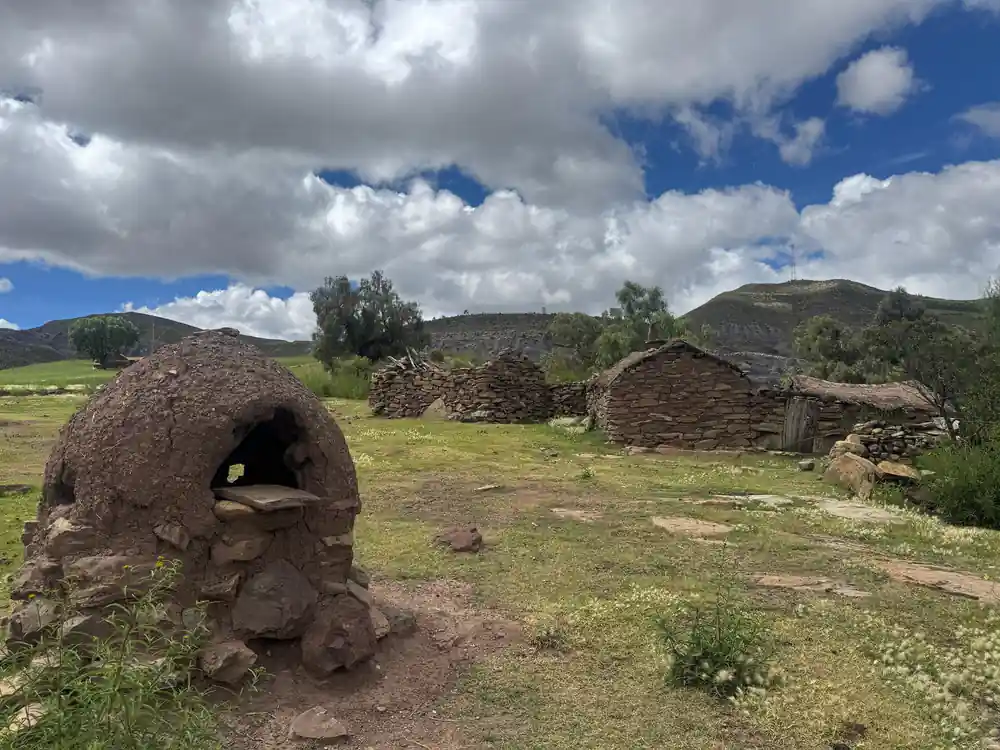
The crater rewards slow walking. Dry stone walls and small houses appear and disappear behind folds in the land, and the route crosses a river bed before it climbs out again. Bring a camera you can reach without stopping to unpack: the good views arrive without warning, and the light on the ochre and rust-coloured rock changes through the day. If you have a spare half hour, the crater floor is the place to spend it.
The Inca trail down from Chataquila
Most day treks start at Chataquila, the trailhead above the crater, and the ride there from Sucre takes about 1.5 hours.[7] Behind the little chapel the route picks up a pre-Hispanic camino known as the Inca trail of Chataquila, and the hike follows it downhill for 6km.[7] In places the paving is original, worn smooth in the middle where generations of feet and hooves have passed. The old road is wide enough to read as a road, which is the best clue that it was built as infrastructure rather than as a footpath.
It is a descent rather than a climb, and that sounds easier than it is. Stone steps of uneven height are hard work on the thighs and knees, and the surface can be slick after rain. Walking poles help. Take the downhill slowly and stop to look back: the valley opens out behind you as you drop toward Chaunaca, and the scale of the country becomes clear. A guide who knows the trail sets a steady pace and shows you where the old road runs, which matters on the stretches where it fades into the hillside.
Two things make this section memorable. The first is the surface: flat slabs laid in courses, with steps cut where the gradient demanded them. The second is the silence. Traffic noise disappears within minutes of leaving the trailhead, and for long stretches the only sounds are wind, birds and your own footsteps on stone. Walk it early if you can, while the valley is still in shadow and the air is cool.
Terraces and dark rock walls on the floor of the Maragua crater
Dinosaur footprints at Niñu Mayu
From Maragua the walk continues down to Niñu Mayu, where around 100 dinosaur footprints can be found.[7] They sit in pale, tilted rock, three-toed prints pressed into what was once soft mud and is now stone. The beds lean up the slope, so the prints run in a line rather than lying flat under your feet, and they are easy to miss until someone points them out.
Treat the prints gently. They are shallow, unprotected and simple to scuff, so look from the edge rather than stepping onto the slabs, and keep bags and poles off the surface. If you walk without a guide, ask in Maragua for directions before you set off. Light is everything here: in low, slanting sun the shadows pick out the shape of each print, while at midday the rock flattens into a single pale sheet.
The footprints reward a little patience. Look for the outline of three toes before you look for a whole track, and let your eyes adjust to the rock instead of hunting for something dramatic. Photograph them from a low angle with a person beside them for scale, and you come away with the picture everyone wants and a clearer sense of how big the animal was.
Private tour or fixed day trip from Sucre
The tour booked from this site is the 1-day trek in the crater of Maragua and Inca trails, from US$95, with a live guide in Spanish and English, pickup included and a duration of 10 hours.[1] Its vehicle stops are listed as Chataquila, the Camino del Inca, Chaunaca and the Maragua Crater.[1] If you would rather have the day to yourselves, note that no Maragua listing is sold as a private group at the moment; the closest is a small group, such as the sunrise trip, which is limited to 12 participants.[5]
There is also a Maragua crater and dinosaur footprints day trip from US$159 that runs 8 hours,[8] and a 2-day trek in the Inca trails and the crater from US$125, limited to 10 participants, for travellers who want to sleep out near the crater.[6] If a private trip from Sucre is the point, the 2-day Salar de Uyuni adventure is sold as a private group, from US$185.[10] For Maragua, weighing a small group against a fixed departure comes down to how much you value your own pace. A smaller group gives you more time at the footprints, while a set departure does the planning for you and keeps costs lower.
Either way, check what a listing actually includes before you book. The day trek shows a live guide, a pickup and vehicle transfers, and those transfers are listed stop by stop, which tells you how much time you spend walking and how much you spend sitting. Ask about group size if that matters to you, and confirm the language of the guide for the day you want.
from US$95
The 1-day trek in the crater of Maragua and the Inca trails is the tour booked from this site, with pickup and a live guide.[1]
Altitude, weather and the best months
Sucre sits at around 2,810 metres above sea level and has what locals call eternal spring, with daytime highs between 20°C and 23°C year-round.[3] Maragua, on the trek, is listed at 3,100 metres.[4] That is higher than the city but not extreme, and most reasonably fit walkers who have already spent some time in Sucre take the descent in their stride.
May to October is listed as ideal for Sucre and the other high-altitude cities and trekking regions of the Bolivian Andes.[2] Outside that window you can still walk, but expect more cloud and a wetter, greasier trail. Give your body time before you commit to a full day at altitude: sleep well, drink water, go easy on alcohol and eat properly the night before. Take the first stretch slowly and let your breathing settle.
Rain tends to arrive in the warmer months, and the stone Inca steps are the part that suffers most when wet. If you travel then, keep a shell in your day bag and start early. Altitude affects people differently, and a headache or shortness of breath on the descent is a signal to slow down, drink water and tell your guide rather than push on.
How the day runs, from pickup to drop-off
The day is built around transfers and walking. Pickup in Sucre is followed by a jeep or SUV leg to Chataquila, then the Camino del Inca on foot, then Chaunaca, then another jeep or SUV leg to the Maragua Crater, and a final transfer back.[1] The listing gives a duration of 10 hours, with starting times shown when you check availability.[1] You can reserve now and pay later, and cancellation is free up to 24 hours in advance for a full refund.[1]
The villages you pass through are working places. Textiles matter here: ASUR began its Indigenous Art Revival Program in 1985 with the aim of reviving traditional weaving and generating extra income for the Jalq'a and Tarabuco communities.[11] If you have time in Sucre before or after the trek, the textile museum puts the patterns you see in the hills into context.
The pace of the day depends on the group. There is time at the crater and at the footprint site, and the transfers are short enough that you are not spending the day in a vehicle. Ask your guide about the return time when you set off, and keep your afternoon free if you want to shower and eat before anything else.
What to pack for the crater trek
You are walking at altitude in strong sun, so cover up. A hat, sunglasses and high-factor sunscreen matter even when the sky is hazy, and a light long-sleeved shirt is more comfortable than bare arms. Take a warm layer for the morning and the drive home, since the air cools quickly once the sun drops. Footwear should be broken in, with grip for stone steps and loose grit.
Carry more water than you think you need, plus snacks, and keep small notes for drinks or food in the villages. A rain shell earns its weight in the wetter months, and a dry bag or plastic liner protects a phone and camera. Pack out everything you bring in, do not walk on the dinosaur footprints, and leave the terraces and the animals alone. Then the day is simple: walk, look, and enjoy the quiet.
One last habit worth keeping: carry out what you carry in. Villages along the route have limited waste collection, and the crater floor is farmland rather than parkland. A small bag for your own rubbish, plus a reusable bottle, keeps the trail as you found it and keeps goodwill with the families whose land the path crosses.
Traveller ratings for Maragua crater tours
Compare from-prices for Maragua crater tours
GetYourGuide from-prices per person in US dollars:[1][5][6][8]
When to book and when to walk
Plan your Maragua day trip
Pick your version
One day from US$95[1], a crater and footprints day from US$159[8], or two days from US$125[6].
Check the pickup
Pickup is included on the day trek, with details shown when you check availability.[1]
Pack for altitude
Maragua is listed at 3,100 m and Sucre at around 2,810 m, so pace yourself in the thin air.[3][4]
Keep the day free
Allow the full 10 hours from pickup to drop-off.[1]
Know your exit
Free cancellation up to 24 hours in advance for a full refund, and you can reserve now and pay later.[1]
Walk the crater with a guide who knows the old road
from US$95Reserve now & pay later